Why Starting New Hobbies Slowly Starts to Drift After a Few Busy Days

As the evening settles in, the soft glow of the desk lamp illuminates a well-worn sketchbook resting at the edge of the art desk. A nearby coffee mug, half-full, sits beside a sharpened pencil, ready for action. After a long day at work, this quiet moment feels like the perfect opportunity to dive into a short creative session. However, the transition from the daily grind to a focused art practice often encounters a stumbling block: the session ends without a clear restart cue, leaving the creative energy hanging in the air.
Reaching for the sketchbook, the first step should be to flip through the pages to find a fresh canvas. Yet, this simple action can slip away amidst the distractions of the day. Perhaps the pencil needs sharpening again, or the urge to check notifications on the phone pulls attention away. Each missed check, like forgetting to jot down a note for the next session, compounds the friction, making it harder to return to that creative space. Recognizing these small obstacles is crucial for maintaining a steady rhythm in starting new hobbies slowly, especially when the daily schedule is packed.
Field Notes from the Art Desk
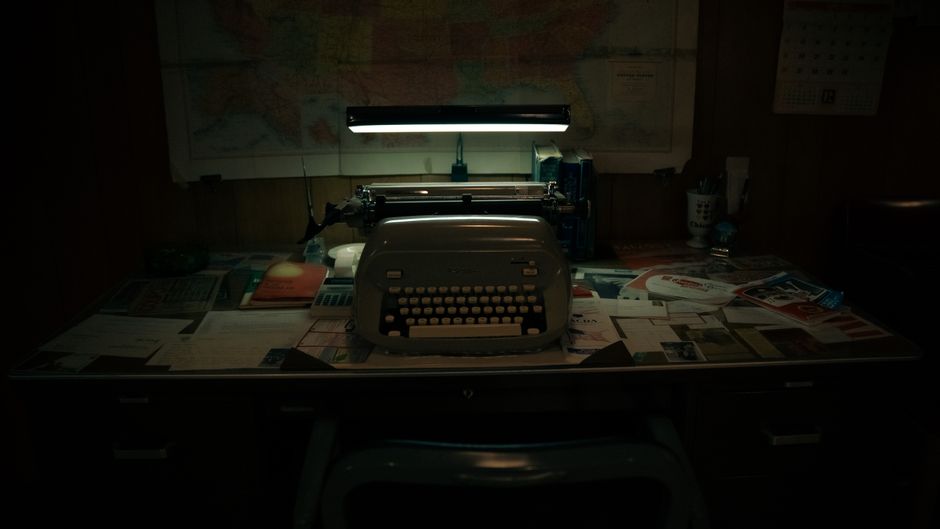
The art desk is a quiet corner of the home, cluttered but inviting. A sketchbook lies open, its pages slightly curled at the edges, waiting for ideas to spill onto them. Nearby, a well-worn pen rests beside a coffee mug, its rim stained with the remnants of countless creative sessions. This moment, just before work, feels like a golden opportunity to dive into a short creative session, yet the transition often stumbles at the edge of that sketchbook.
As the clock ticks toward the start of the workday, the mind races through the day’s tasks, and the urge to check notifications on the phone can easily derail the intention to create. Instead of flipping through the sketchbook to find inspiration, it’s tempting to reach for the phone, risking the loss of that creative energy. The pencil, too, needs sharpening—a small but crucial detail that can halt the entire process. Before picking up the pencil, a quick check of the desk reveals that the sharpener is tucked away in a drawer, adding another layer of friction to the session.
To avoid this, a simple yet effective routine can be established. Each time the sketchbook is closed, a note should be jotted down on the edge of the page, marking where to pick up next. This small act creates a clear restart cue for the next session, ensuring that the creative flow isn’t lost in the shuffle of daily distractions. However, if that note is forgotten, the next session may start with uncertainty, and the cycle of distraction continues, making it harder to maintain a steady rhythm in creative habits.
When Setup Becomes a Barrier
The art desk sits quietly in the corner of the room, cluttered with a few essential supplies: a sketchbook, a pencil, and a well-used coffee mug. As the evening light filters through the window, the urge to dive into a creative session is palpable. However, that excitement quickly meets a roadblock—the pencil needs sharpening. This small but essential task can easily derail the momentum built up during a busy day. With the sharpener tucked away in a drawer, the initial thrill of creativity starts to wane, replaced by the annoyance of preparation.
Instead of simply picking up the pencil and sketching, the need for setup becomes a barrier. The moment spent searching for the sharpener can stretch into a frustrating delay, causing the mind to wander. Once the pencil is finally ready, the creative flow has already been disrupted. To streamline the process, consider placing the sharpener directly on the art desk, within arm's reach of the sketchbook. This small adjustment can save precious moments and keep the creative energy alive. As the session wraps up, jotting down a quick note on the edge of the sketchbook helps create a clear starting point for the next time, ensuring that the creative habit remains intact despite the distractions of daily life. Understanding the Setup Friction After a long day, the thought of picking up the sketchbook can feel invigorating, but the reality of setup friction often derails those intentions. Sitting at the cluttered art desk, surrounded by half-finished DIY projects and scattered pens, the mental energy required to clear a space becomes a barrier. The desk, once a sanctuary for creativity, transforms into a source of overwhelm. Instead of diving straight into drawing, the mind races through the tasks of organizing and finding the right materials, which can easily consume the limited time available.
Consider the simple act of opening the sketchbook. If the pencil lies dull and neglected, the first step becomes sharpening it—a task that feels trivial yet requires a mental shift. Without the sharpener easily accessible, the act of searching for it can lead to a frustrating delay. This hidden step, the need to prepare, competes with the desire to create. It’s not just about the physical act of sharpening; it’s the mental switch from relaxation to task-oriented thinking that disrupts the flow. To counter this, keep the sharpener on the desk, right next to the sketchbook, so that the transition into creativity feels seamless.
As the session comes to a close, it’s easy to forget to leave a note for the next time. A quick reminder jotted on the edge of the sketchbook can serve as a lifeline for future sessions, but if it’s overlooked, the next encounter might begin with the same setup friction. The intention to create is strong, yet without these small, mindful adjustments, the cycle of setup and overwhelm continues, making it harder to maintain that creative habit.
This same friction shows up again in Starting New Hobbies Slowly, especially when the day tightens unexpectedly.
A Simple Adjustment to Ease Into Creativity
On a quiet evening at home, the art desk is a welcoming sight, with the sketchbook open to a fresh page, a coffee mug steaming nearby, and a few colored pencils scattered about. As the day winds down, the desire to sketch is strong, yet the thought of getting started can feel daunting. One common friction point is the need to sharpen pencils before diving in. Without the sharpener easily accessible, that simple task can transform into a frustrating delay, pulling focus away from the creative impulse.
To smooth this transition, keep a pencil sharpener right next to the sketchbook. This small adjustment makes it easy to grab a pencil and start drawing without interruption. When the urge to create strikes, the last thing you want is to search for tools. A quick twist of the pencil in the sharpener can be done in seconds, keeping the momentum alive.
Additionally, creating a checklist of items needed for the next session can minimize setup time. Before wrapping up, jot down a note on the edge of the sketchbook: "Check pencil sharpness, refill water for brushes, and gather colored markers." This simple sequence ensures that when you sit down next time, everything is ready to go. With these small yet impactful adjustments, the path to creativity becomes clearer, making it easier to maintain that cherished habit of drawing.
What Gets Easier in the Next Time Block
If this pattern keeps repeating, Creative Hobbies For Adults extends the idea without leaving the niche.
After a long day, the thought of diving into a craft project can feel overwhelming, especially when the desk is cluttered and the clock is ticking. However, creating a clear stopping point during your last session can set the stage for a smoother transition into the next. For instance, if you finish your drawing session by placing your sketchbook on the edge of the desk, it serves as a visual cue for the next time you sit down. This small act of positioning can make it easier to remember where you left off.
Before closing up for the evening, take a moment to sharpen your pencils and gather any materials you plan to use next time. This might mean stacking your colored markers neatly beside the sketchbook or placing a clean sheet of paper on top, ready for your next idea. By doing this, you eliminate the initial friction of having to search for supplies when you return. Instead, you can jump right into your creative session, making the most of that quiet block before work or after dinner. The benefit is straightforward: you’ll spend less time preparing and more time creating, allowing your creative habits to flourish even amidst a busy schedule.
After a busy day, it’s easy to let the moment slip away without a clear stopping point for your creative practice. If you close your sketchbook without a note for your next session, you might find it difficult to remember where to pick up again. Instead, take a moment to jot down a quick note in your journal about what you want to explore next, or simply mark the page you left off in your sketchbook. This small act can help bridge the gap between sessions.
When you return to your desk, make it a habit to sharpen your pencils and arrange your materials so they’re ready to go. Position your sketchbook at the edge of your desk, making it the first thing you see when you sit down again. This simple adjustment not only reduces friction but also invites you back into your creative space with ease, ensuring that your art practice continues to thrive, even on crowded days.