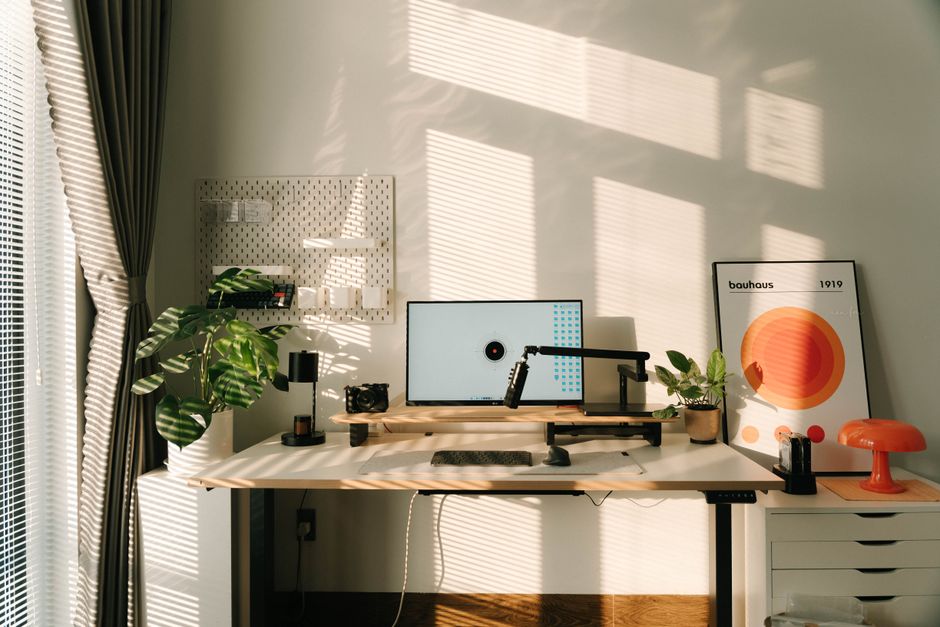
When the Creative Session Slips: Observations from a Home Desk
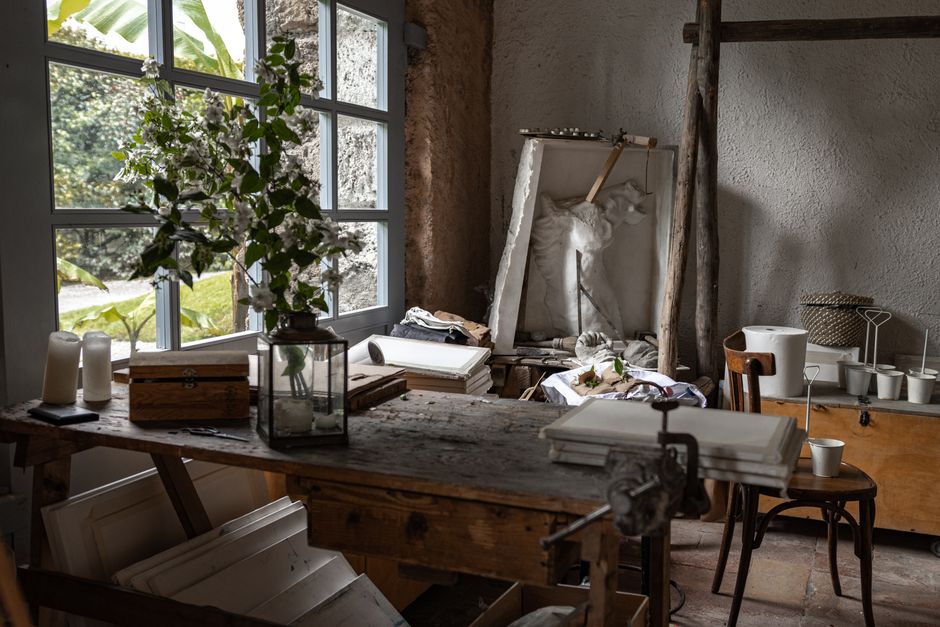
As the evening light filters through the window, the desk is set for a quick sketchbook session. A coffee mug sits nearby, steam still rising, while a notebook and pen are ready to capture fleeting thoughts. The art desk, usually a chaotic blend of colors and tools, is surprisingly organized tonight. However, the pencil lies dull and untouched, a small but significant barrier to starting. Just a few moments before diving into creativity, it’s easy to overlook this simple task of sharpening the pencil, which can derail the entire session.
With supplies nearby but not fully prepared, the excitement of a new drawing can quickly fade into frustration. The lamp casts a warm glow, inviting creativity, yet the act of reaching for the sharpener feels like an afterthought. This tiny friction point—a missed check on the readiness of tools—often slips first on crowded days, leaving the maker in a limbo of intention and action. As the clock ticks toward the next obligation, the chance to engage in a fulfilling creative practice hangs in the balance, caught between the desire to create and the reality of distractions.
A Quiet Start at the Art Desk
The art desk is softly illuminated by a warm lamp, casting a cozy glow that beckons creativity. The maker sits down, notebook open, pen poised, and sketchbook ready, all arranged within arm’s reach. A steaming coffee mug sits nearby, a familiar companion during these quiet moments before work. This is the ideal setup for a short creative session, a ritual that offers a brief escape from the day’s chaos.
As the clock ticks closer to the next obligation, the urge to jump straight into drawing is strong. However, the pencil lies untouched, dull and in need of sharpening—a small but critical barrier to starting. This overlooked detail can easily derail the session, transforming anticipation into frustration. The maker leans over to grab the sharpener, but first, they pause to check the sketchbook’s last entry, a reminder of where they left off. This momentary hesitation reveals how even the simplest tasks can slip through the cracks on a crowded day.
With the sharpener in hand, the pencil is quickly transformed into a tool ready for creativity. The act of sharpening, though minor, becomes a necessary step to bridge the gap between intention and action. As the shavings fall into the small compartment of the sharpener, the maker feels a renewed sense of readiness. Yet, the clock continues to tick, and the lingering question remains: will this session be enough to reignite the creative spark, or will the distractions of the day pull them away once more?
The First Slip: Supplies Within Reach, But Not Ready
The lamp casts a warm glow over the home desk, illuminating a scattered array of creative materials: a sketchbook, a well-loved pen, and a half-full coffee mug. As the maker settles into the chair, a quiet moment before work beckons, yet the first slip in the routine reveals itself. The pencil, poised for action, is dull and needs sharpening. This small but crucial detail looms larger than it should, creating a barrier before the first stroke can even touch the page.
With a sigh, the maker leans forward, reaching for the sharpener tucked beside the notebook. Before diving into the drawing session, they pause, glancing at the last entry in the sketchbook—a reminder of the ideas waiting to be explored. This moment of hesitation, weighed down by the distractions of the day, highlights how easily the flow of creativity can falter. The sharpener whirs briefly as the pencil transforms, but the clock ticks on, and the question lingers: will this brief session be enough to push past the day's interruptions, or will the unfinished tasks continue to weigh heavily on their mind?
A slightly different version of this problem appears in Starting New Hobbies Slowly, where the sequence changes but the hidden drag feels familiar.
Why the Mood Becomes a Barrier
Even with the art desk set up and the sketchbook open, the weight of a busy day can shift the mood from eager anticipation to a sense of obligation. The clock shows just a few minutes before the next commitment, and the maker’s mind races through unfinished tasks. Each moment spent preparing feels like a luxury, and the excitement of starting a new drawing is overshadowed by the pressure to produce something worthwhile. The nearby supplies, while visible, remain untouched, creating an invisible barrier that complicates the creative process.
- The pencil, while sharpened, sits idle next to a coffee mug, waiting for the maker to take action.
- Journaling ideas from previous sessions seem to float in the air, but without a clear plan, they become overwhelming.
- Each minute lost to hesitation adds to the feeling that this creative practice is just another chore on a long list.
As the maker finally picks up the pencil, they realize that the hidden step of clearing their mind is just as crucial as sharpening their tools. The intention to create is strong, but the mood has shifted, making it feel like an uphill battle. This small adjustment—taking a moment to breathe and visualize the first line—can be the difference between a fulfilling session and another missed opportunity. In this quiet block before work, the question remains: will the maker reclaim their excitement or let the day’s distractions continue to dictate their creative journey?
A Simple Adjustment: The Ready-Start Setup
On a cluttered art desk, the sketchbook lies open, waiting for inspiration. Just to the side, a pencil, dull and unsharpened, sits next to a half-empty coffee mug. This moment, right before diving into a creative session, is often where things slip. The intention is there, but the friction of an unprepared workspace can halt progress before it even begins. For those aiming to restart their art practice after a few missed evenings, this is a familiar scene.
To smooth the path toward creativity, consider preparing a small kit with essential tools. Before the next quiet block of time, take a few minutes to gather sharpened pencils, a favorite pen, and a couple of colored markers. Place this kit right next to the sketchbook. When the time arrives, instead of fumbling through drawers or searching for supplies, everything needed is within arm's reach. This simple adjustment not only saves time but also reinforces the commitment to create. Setting a specific time block in the planner for this creative work can further solidify the intention, transforming a fleeting moment into a dedicated session.
As the maker finally picks up the sharpened pencil, the hesitation fades. With the tools ready and the time set, the first stroke on the page feels more like a continuation of a flow rather than a struggle against inertia. The act of preparing the workspace beforehand becomes a crucial step, ensuring that the creative session can begin without the usual distractions. This small shift in sequence—having everything ready to go—can be the difference between a fulfilling art practice and another missed opportunity.
The Next Steps After the Adjustment
This same friction shows up again in Creative Hobbies For Adults, especially when the day tightens unexpectedly.
With the art desk now organized, the maker finds it easier to dive into the sketchbook. The quiet block of time after dinner becomes a sanctuary for creativity, where the lamp casts a warm glow over the neatly arranged supplies. The sketchbook sits open, invitingly, its pages ready to capture thoughts and ideas. The pencil, freshly sharpened and resting beside a mug of coffee, feels like an extension of the hand rather than a tool needing preparation.
This initial setup leads to a more fulfilling evening, free from the earlier distractions that often derail creative sessions. Instead of fumbling with unsharpened pencils or rummaging through drawers for lost materials, the maker can focus entirely on the act of drawing. The decision to prepare the workspace ahead of time pays off; each stroke on the page flows more naturally, as if the earlier friction has melted away. The act of journaling alongside sketching becomes a seamless transition, enhancing the creative experience.
One practical check emerges from this routine: keeping a small container on the desk for frequently used supplies like erasers and pens. This simple addition ensures that everything needed is always within reach, reinforcing the commitment to maintain the creative habit. As the evening unfolds, the maker realizes that these small adjustments not only enhance productivity but also deepen the enjoyment of the process, making it easier to return to the sketchbook time and time again.
As the quiet evening settles in, the maker glances at the art desk, where the sketchbook lies open but untouched. The nearby supplies, though visible, remain unprepared, creating a subtle barrier to creativity. A quick check reveals that the pencil needs sharpening before any drawing can begin. Without this small task, the session risks becoming another missed opportunity, lost in the shuffle of daily distractions.
Taking a moment to sharpen the pencil becomes a pivotal action; it signals readiness and intention. With the pencil now poised for use, the maker can dive into the sketchbook, transforming the workspace into a hub of creativity. This simple act of preparation reinforces the commitment to the creative habit, making it easier to return to the art practice even on crowded days. A practical next move could be setting a timer for just ten minutes to sketch, ensuring that the session is both manageable and enjoyable, while keeping the creative flow alive amidst life’s busyness.