Navigating the Setup: How Starting New Hobbies Slowly Can Slip Away
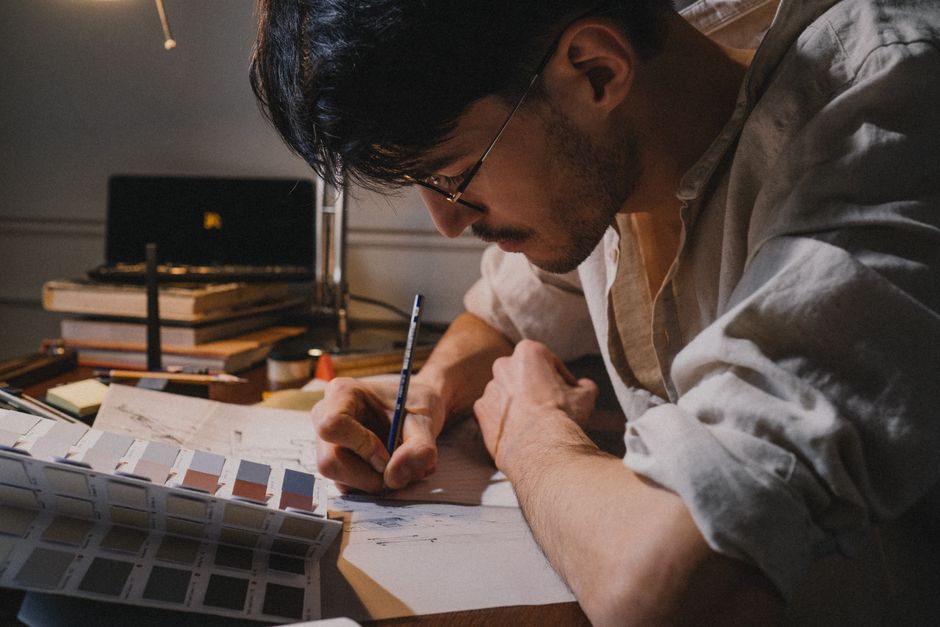
As the evening light filters through the window, the lamp on the desk casts a warm glow over the scattered supplies: a sketchbook, a pen, and a coffee mug half-filled with cold brew. It’s a quiet moment before the evening routine kicks in, and the urge to start a short creative session tugs at the back of the mind. Yet, despite the inviting setup, the supplies remain zipped in a bag across the room, creating a barrier that feels heavier than it should. This small friction point often derails the best intentions, making it harder to dive into drawing or journaling after a few missed evenings.
Reaching for the sketchbook feels like a chore when the pen is still tucked away, and the thought of rummaging through the bag adds to the reluctance. Leaving one tool out—like the pen—on the art desk could transform the scene, creating a ready-to-start setup that invites action instead of hesitation. This simple adjustment can shift the balance from planning to doing, but it requires recognizing the friction that slows down the creative process. Without addressing these small but significant hurdles, the transition from intention to action can become more complicated than expected.
The Quiet Moment Before Creativity
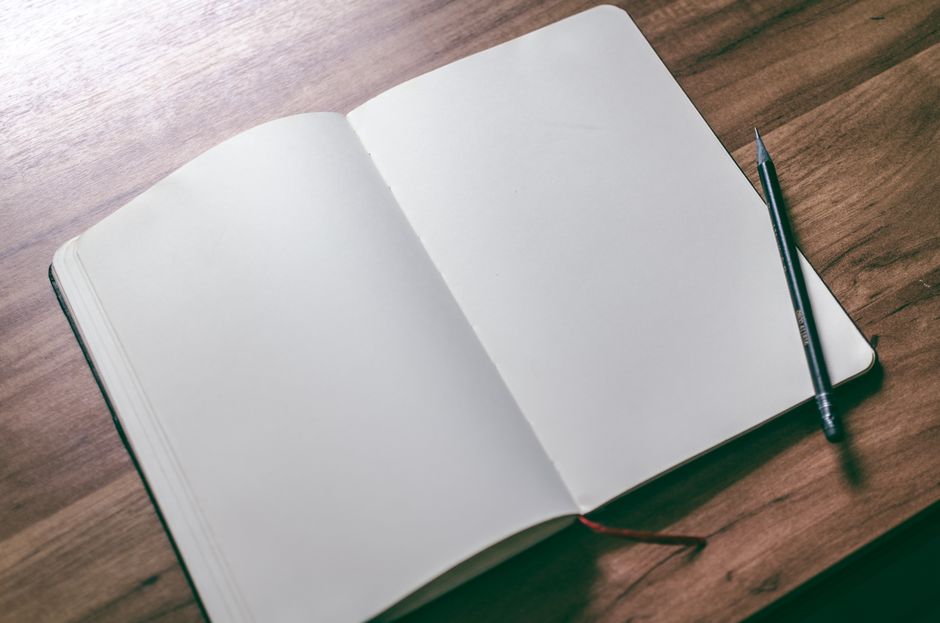
The desk is softly illuminated by a warm lamp, casting a gentle glow over a waiting sketchbook and an open notebook. A pen lies nearby, its cap off, inviting the first strokes of creativity. This scene is familiar, yet the weight of missed evenings lingers in the air, making the prospect of starting a new drawing feel daunting. The supplies are close, but the act of reaching for them feels like an uphill battle. The sketchbook sits there, pages blank, and the thought of diving back into drawing after a few days away feels like a leap into cold water.
As the clock ticks towards the quiet block of time before work, the urge to create battles with the inertia of inaction. Supplies that could spark a new DIY project remain zipped in a bag across the room, a small but significant barrier to entry. The simple act of leaving one tool out—like that pen—could transform this moment. By placing the pen directly on the desk, it becomes a visual cue, shifting the environment from one of hesitation to readiness. This subtle adjustment can help bridge the gap between intention and action, making it easier to pick up the sketchbook and begin the first line. Without addressing these friction points, the transition from thought to creation can feel more challenging than it ought to. When the Routine Starts to Slip The lamp casts a warm glow over the home desk, illuminating a sketchbook that has been untouched for days. Just to the side, a coffee mug sits, half-full, a reminder of the quiet moments that could have been spent drawing. The supplies are nearby but remain zipped in a bag, creating a barrier that feels heavier than it should. This setup energy weighs down the intention to create, making it easy to overlook the simple act of preparation needed to reignite the creative flow.
- Leave the sketchbook open on the desk, ready for the first stroke.
- Set the pen beside the sketchbook, making it the first thing you see.
- Keep a list of quick DIY projects nearby, so inspiration strikes easily.
As the minutes tick by, the weight of the missed check—having the supplies ready to use—becomes apparent. The longer the supplies stay zipped away, the more daunting the prospect of starting feels. By simply leaving the sketchbook open and placing the pen beside it, the transition from thought to action becomes less of a leap and more of a gentle nudge. This small adjustment can shift the momentum back toward creativity, allowing for a quick sketch or a few lines of journaling to flow before the evening slips away.
Why Setup Energy Becomes a Barrier
This same friction shows up again in Creative Hobbies For Adults, especially when the day tightens unexpectedly.
The moment you sit down at your lamp-lit work surface, the sight of your art desk filled with supplies can feel both inviting and daunting. You might have a sketchbook open, a pen resting nearby, and a coffee mug filled with your favorite brew. Yet, the mental load of gathering supplies can quickly overshadow that initial excitement, especially after a long day. The thought of rummaging through drawers or bags to find that perfect pen or a fresh sketchbook can deter you from even starting.
Each time you miss a creative session, the reluctance to begin grows. It’s not just about the time lost; it’s the weight of those missed opportunities that lingers. You might think, "I’ll just grab my supplies," but in reality, those supplies remain zipped away in a bag, hidden from view. This simple act of not having everything laid out creates a hidden step that feels like a mountain to climb. The good intentions of wanting to create often get buried under the inertia of preparation.
To combat this friction, a small yet effective adjustment can be made. Before you finish your last creative session, take a moment to leave one tool out—perhaps the pen you used most. Place it directly on top of the sketchbook, making it the first thing you see when you return. This tiny act reduces the barrier to entry, transforming the setup process into a mere flick of the wrist rather than a chore. With the pen in sight and the sketchbook open, you can dive into a quick drawing or jot down thoughts in your journal without the mental burden of gathering supplies again.
As you prepare for your next creative session, consider this: the energy spent on setup can become a barrier, but it can also be a catalyst for creativity if approached with intention. The choice to keep your tools visible and ready can shift the momentum back toward your creative habits, making it easier to reclaim those moments before they slip away.
One Adjustment to Ease the Transition
A slightly different version of this problem appears in Starting New Hobbies Slowly, where the sequence changes but the hidden drag feels familiar.
As you sit at your lamp-lit work surface, the soft glow illuminating your sketchbook and scattered supplies, it's easy to feel overwhelmed by the prospect of starting a new creative session. You glance at your art desk, where your tools are still zipped away in a bag, creating a barrier that feels insurmountable after a few missed evenings. The time before work or after dinner is fleeting, and the idea of rummaging through your materials can dampen your motivation.
To simplify this process, consider leaving your sketchbook open on the desk, paired with a pen that you use regularly. This small adjustment transforms your workspace into a 'ready-to-start' setup, where the act of beginning is as simple as reaching for the pen and letting your thoughts flow onto the page. By having these essential tools visible and accessible, you eliminate the friction of preparation, allowing yourself to jump right into drawing or journaling.
Next time you finish a creative session, take a moment to set the scene for your future self. Place the sketchbook in a spot where it’s the first thing you see when you sit down—perhaps next to your coffee mug or right under the lamp. This simple act of positioning can create a mental cue that encourages you to engage with your art practice. When you return to your desk, the setup should feel inviting rather than daunting, making it easier to reclaim those fleeting moments of creativity.
What Gets Easier in the Next Time Block
As you settle into your lamp-lit workspace, take a moment to glance at your art desk. The sketchbook lies open, invitingly positioned next to your coffee mug. This simple arrangement signals to your mind that it's time to engage in a short creative session. The visibility of your materials plays a crucial role in reducing the friction that often accompanies starting a new hobby.
Instead of rummaging through a zipped bag for your pen or searching for the right page in your notebook, you can dive straight into journaling. Having everything laid out means you can begin writing or drawing with little hesitation. This setup transforms your next time block into an opportunity for spontaneity rather than a chore. The act of simply picking up your pen becomes a seamless transition into creativity.
Next time you finish a session, consider leaving your favorite pen out, ready for use. This small adjustment not only makes it easier to start again but also fosters a habit of returning to your creative practice more regularly. By removing the barriers of preparation, you create a rhythm that encourages you to engage with your art more often, even if just for a few minutes before work or after dinner. The potential for creativity grows when the setup is inviting and accessible, allowing you to reclaim those moments of inspiration without the weight of unnecessary friction.
As you prepare to dive back into your sketchbook, consider the impact of small adjustments on your creative flow. If your supplies are still zipped away in a bag, they become an obstacle rather than a source of inspiration. Instead, try leaving your sketchbook open on your desk, alongside your favorite pen. This simple act invites you to engage with your art practice more readily, transforming your workspace into a welcoming environment for creativity.
In those quiet moments before work or after dinner, you can simply sit down and start drawing without the friction of setting up. By ensuring that your materials are visible and accessible, you create a seamless transition into your creative session. Next time, take a moment to check that your supplies are ready to go, and you might find it easier to pick up where you left off, even if it’s just for a few minutes.