What to Set Up First So Starting New Hobbies Slowly Feels Easier to Keep
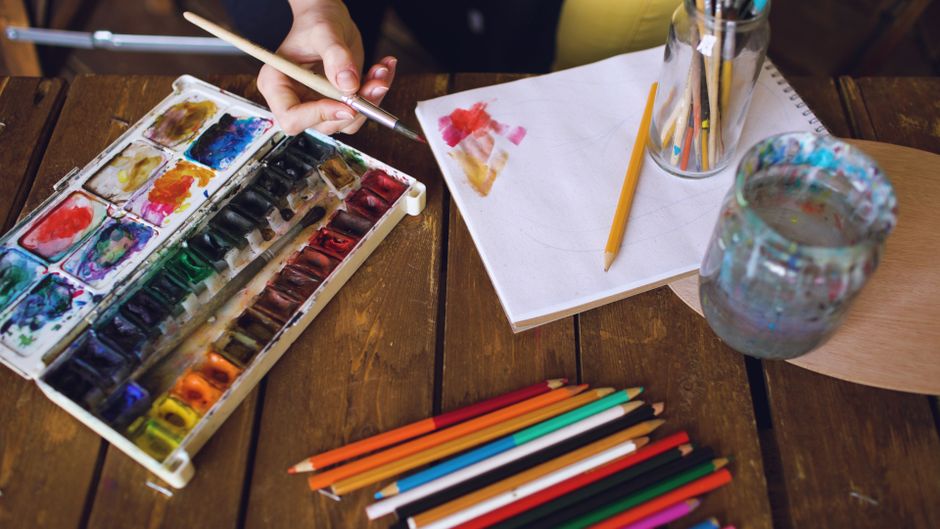
At the corner of my home desk, the sketchbook lies open, its pages slightly crinkled from previous attempts at drawing. A quiet block of time after dinner stretches before me, the perfect opportunity to dive back into a creative session. I reach for my pen, but the moment feels heavy with unfulfilled intentions. The supplies I need for my latest craft project are zipped away in a bag, and I realize that the next step in my art practice remains unmarked. Without a clear signal of where to begin, I hesitate, caught between the desire to create and the friction of unpreparedness.
As I glance at the cluttered space, I notice the coffee mug still holding the remnants of my earlier drink, a reminder of the time I set aside for creativity. The absence of a simple note indicating my last action leaves me stuck. I could have left out one tool or written a quick prompt to guide my next steps. Instead, I find myself wrestling with the mental block of having to sift through my thoughts rather than flowing into the act of making. This cycle of starting and stopping, often fueled by a lack of preparation, is what keeps many from nurturing their creative hobbies consistently.
The Default Method: A Familiar Setup
At my home desk, the sketchbook lies open, its pages inviting yet blank, while a pen rests nearby, ready for action. The coffee mug, still warm from my last sip, sits like a sentinel over this creative space. I’ve carved out a quiet block of time after dinner, a perfect moment to dive into my craft project. However, as I lean in, I realize that my supplies are zipped away in a bag, tucked out of sight. The anticipation of starting is quickly overshadowed by the realization that I haven’t set up properly.
This initial setup feels reasonable; I’ve left the essentials visible, but the hidden friction lies in the lack of preparation. Without a clear signal of what to do next, I hesitate. A simple note indicating my last action could have bridged that gap, guiding me into the flow of creativity. Instead, I find myself sifting through thoughts rather than materials, wrestling with the mental block that comes from unpreparedness. Leaving one tool out, like my favorite watercolor brush, would have made it easier to jump right in. I know I need to create a habit of keeping my workspace ready, but the cycle of starting and stopping continues, fueled by this overlooked detail. Where the Default Method Fails My art desk sits cluttered yet inviting, with a sketchbook open to a fresh page and a coffee mug steaming beside it. However, as I prepare for a short creative session, I notice my supplies are still zipped in a bag, tucked away in a drawer. This common setup feels logical at first glance, but it introduces an unnecessary barrier. The moment I reach for my materials, I’m met with the friction of unzipping the bag and rummaging through, which disrupts my flow. Instead of diving into my craft project, I find myself hesitating, caught between the desire to create and the effort required to get started.
Without a clear signal of what to do next, I lose momentum. I realize that I forgot to leave out my favorite pencil, which would have been the perfect tool to kick off my drawing. Instead, I sit there, staring at the blank sketchbook page, wishing I had marked my last action with a note or a quick sketch. This small detail could have served as a bridge, guiding me into my next creative step. The weak point under pressure becomes evident: when the next step isn’t clearly marked, the excitement of starting fades, and I’m left with a mental block. The supplies may be physically close, but they feel miles away when they remain zipped and out of reach.
To counter this, I could adopt a simple routine: after each session, I’ll leave out one essential tool, like that trusty pencil, and jot down a quick note on the edge of my sketchbook page. This way, when I return, I won’t just see a blank space but a prompt that pulls me back into my creative practice. The cycle of starting and stopping continues, fueled by overlooked details that could easily be adjusted.
The Tradeoff: Convenience vs. Preparedness
A slightly different version of this problem appears in Creative Hobbies For Adults, where the sequence changes but the hidden drag feels familiar.
Having my art supplies visible on my home desk feels convenient. The sketchbook lies open next to my coffee mug, and the colored pencils are neatly arranged in a jar. However, when I sit down to start a creative session, I often find myself frustrated. I realize that while everything is within reach, I didn’t take the time to prepare for my next step. Without a clear indication of where I left off, the excitement of starting quickly dissipates, and I’m left staring at the blank edge of the sketchbook page, unsure of what to do next.
To shift this pattern, I need to embrace a small but effective adjustment: after each session, I’ll leave out my favorite pencil and write a quick reminder on the edge of my sketchbook page. This simple act of preparation transforms my next session. Instead of feeling like I’m starting from scratch, I’ll have a tangible prompt that reignites my momentum. The tradeoff here is clear: while leaving everything zipped in a bag may feel easier, it sacrifices the flow of creativity I crave. By taking a moment to prepare, I can ensure that my next creative session feels seamless and inviting, rather than a frustrating restart. This small investment in readiness pays off when I can dive straight back into my craft project, pen in hand, ready to create. When to Fit in the Alternative Approach Evenings after dinner often provide a perfect quiet block for a short creative session. The house is settled, and the day’s distractions fade. In this calm, I can sit at my art desk, coffee mug in hand, and open my sketchbook without the usual setup friction. However, if I skip a simple preparation step, I find myself hesitating, staring at the blank edge of the page, unsure of where to begin.
To streamline my transition into creativity, I’ve started leaving my favorite pencil out on the desk. It’s a small but effective change. This way, when I sit down, I’m greeted by a familiar tool, ready to spark inspiration. Alongside this, I jot a quick note on the edge of my sketchbook page, reminding myself of the last idea I had or the next step in my DIY project. This note serves as a bridge, connecting my past session to the present, making it easier to dive back in without losing momentum.
Leaving supplies zipped in a bag may seem convenient, but it creates a barrier to starting again. The tradeoff is clear: that extra step of unpacking can drain the excitement of a creative moment. By preparing my space and tools beforehand, I ensure that when the time comes, I can transition smoothly into my art practice, making the most of those quiet moments.
Returning to a creative hobby often hinges on the readiness of your space and tools. If your supplies remain packed away, the likelihood of diving back into a project diminishes significantly. Instead of letting your sketchbook gather dust, consider keeping it open on your desk, with a favorite pen or pencil resting nearby. This simple act can transform your approach, making it easier to pick up where you left off.
As you prepare for your next session, take a moment to write down a quick note on the edge of your sketchbook page. This note can outline the next step in your craft project or capture a fleeting idea. By doing so, you create a clear path back into your creative practice, reducing the friction that often derails good intentions. With your tools at hand and a reminder of your last thought, you set the stage for a more fulfilling return to your hobby.


