What Craft Project Looks Like on an Ordinary Day

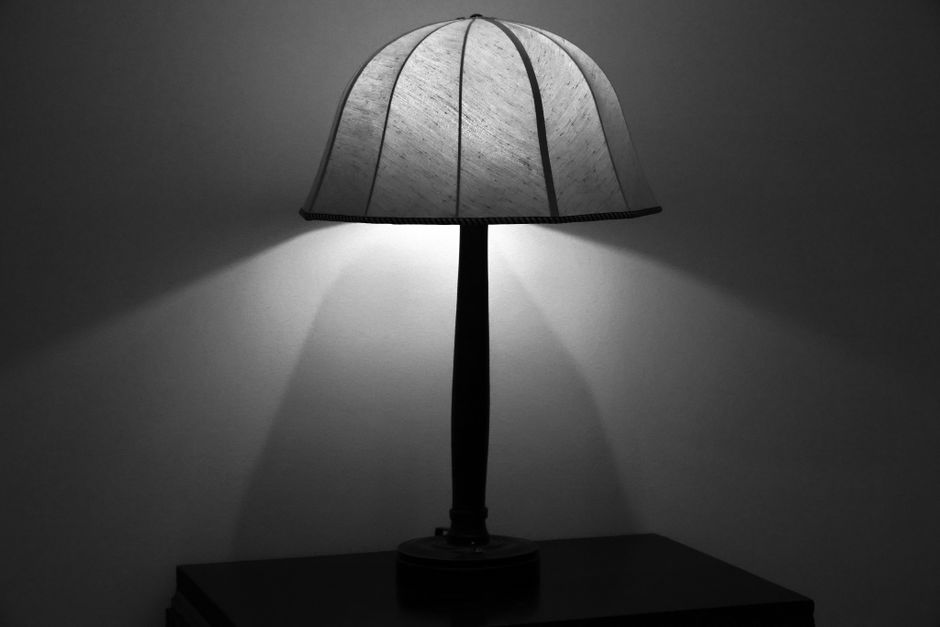
As the soft glow from the lamp casts a warm light over my art desk, I sit down with my sketchbook and a pen, ready to dive into a short creative session. The quiet block of time before work feels like a rare gift, yet I find myself hesitating. My coffee mug sits nearby, steam curling up into the air, but instead of flipping open to a fresh page, I realize I haven’t marked where I left off from my last drawing. The next page is not chosen, and that small decision looms larger than it should. It’s easy to get lost in the swirl of daily distractions, and suddenly, my art practice feels sidelined by the simplest of oversights.
In the rush of a busy day, it’s often the little things that slip through the cracks. I glance at my supplies, neatly arranged but untouched since my last creative burst. Leaving one tool out, like my favorite pen, could signal my brain to jump back in, yet I forget this small step. Without a note to remind me of my next move or a clear setup to guide me, I risk losing momentum. This friction, the gap between intention and action, is where many of us falter when trying to start new hobbies slowly amidst the chaos of life.
The Art Desk: A Quiet Invitation
The soft glow of the lamp casts a warm light across my art desk, illuminating a simple setup: a sketchbook lies open, its pages slightly crinkled from previous use, while a notebook sits nearby, filled with scattered ideas and half-formed sketches. The clock ticks softly in the background, marking the quiet block of time before work begins. It’s a moment ripe for creativity, yet I can feel the weight of distractions lurking just outside the door.
As I take a sip from my coffee mug, I notice the familiar tension that arises before starting a creative session. I scan my supplies, neatly arranged but untouched since my last burst of inspiration. The absence of a marked page in my sketchbook creates a barrier, a small but significant friction that can derail my intention. Without a clear path forward, I hesitate, caught between the desire to create and the uncertainty of where to begin.
To ease this friction, I decide to leave my favorite pen out, placing it prominently on the desk. This simple act serves as a visual cue, a gentle nudge towards my next creative move. I remind myself to jot down a note in my notebook, indicating the next step I want to take, whether it’s a new drawing idea or a particular technique to explore. This small adjustment helps bridge the gap between intention and action, ensuring that when I return, I have a clear starting point. The lamp continues to shine, a quiet invitation to dive back into my art practice, but I know that without these small checks, the chaos of daily life can easily overshadow my creative aspirations.
When the Routine Begins to Slip
Settling into my art desk, the warm glow of the lamp casts a cozy light over my supplies. I take a moment to breathe, ready to dive into drawing. But as I reach for my sketchbook, I realize I haven’t chosen the next page. This small oversight creates a barrier that feels larger than it should. Without that clear starting point, my mind drifts, and suddenly, a notification from my phone buzzes nearby, pulling my focus away. I glance at the screen, and just like that, my intention to create begins to fade.
That moment of hesitation sets off a chain reaction. I think about the work tasks waiting for me, the emails I need to check, and the dinner I need to prepare. The sketchbook sits there, open but uninviting, and I find myself scrolling through my notifications instead of sketching. The next step in my creative session was never marked, and now I’m left staring at a blank page instead of filling it. I realize I need to make a change to keep this from happening again.
To regain my focus, I decide to leave my favorite pen out on the desk, a visual cue that beckons me back to my art practice. I also jot down a quick note in my notebook, marking a specific drawing idea I want to explore next time. This small adjustment helps bridge the gap between my intention and action, ensuring that when I return, I have a clear path forward. The lamp continues to shine, a reminder that my creative space is waiting, but without these checks, the distractions of daily life can easily overshadow my artistic aspirations.
If this pattern keeps repeating, Starting New Hobbies Slowly extends the idea without leaving the niche.
Why the First Step Becomes a Chore
The clutter on my art desk often feels like a physical representation of my mental load. With a coffee mug half-full and a notebook crammed with ideas, the space is both inviting and overwhelming. I sit down during a quiet block before work, ready to dive into a short creative session. Yet, the moment I glance at the unmarked page in my sketchbook, I hesitate. That blank canvas stares back at me, a reminder of all the tasks I’ve juggled throughout the day, and suddenly, the act of starting feels like a chore.
Each time I plan to sketch, I intend to leave my favorite pen out as a visual cue, but it often gets buried beneath the clutter. This small oversight makes a significant difference. Without that pen in sight, I find myself scrolling through my phone instead of picking up the sketchbook. The next step in my creative process—choosing a page and marking my intention—never happens, and I’m left feeling frustrated. I realize that the clutter isn’t just physical; it’s a barrier that complicates my ability to begin.
To combat this, I decide to take a moment to clear a small section of my desk, pushing aside the scattered supplies to create a dedicated space for my art. I also pull out a sticky note and write down a specific drawing idea, placing it right next to my sketchbook. This simple act of preparation helps me visualize my next move, making it easier to transition from thought to action. Yet, even with these adjustments, I find myself wondering if the mental effort of maintaining this space will always feel like a tradeoff against the distractions of daily life.
One Simple Adjustment to Ease Into Creativity
On my lamp-lit work surface, the sketchbook lies closed, its pages untouched since my last creative session. The decision of which page to open feels like a hurdle, especially after a long day. To tackle this, I decide to leave the sketchbook open to the last page I worked on, reducing the mental friction of choosing where to begin. This small adjustment means I can dive straight into my drawing without wasting time flipping through blank pages.
Next, I grab a sticky note and jot down a few quick ideas about what I want to draw next. I place this note right next to the sketchbook, ensuring that my thoughts are visible and ready to guide me into my next creative moment. This simple act keeps the momentum alive, allowing me to pick up right where I left off. If I don’t make this note, I often forget my intentions, leading to wasted time and frustration.
As I sip my coffee, I notice how these minor adjustments make a difference. The open sketchbook invites me to start drawing, while the note serves as a gentle nudge to keep my ideas flowing. However, I can’t help but wonder if this small setup will hold up against the distractions that often creep in during my busy days.
What Gets Easier in the Next Time Block
A slightly different version of this problem appears in Creative Hobbies For Adults, where the sequence changes but the hidden drag feels familiar.
The soft glow from the lamp casts a warm light over my art desk, illuminating the open sketchbook waiting for my next stroke. I notice the blank page, untouched since my last session, but it doesn’t feel as daunting today. I left my favorite drawing pencil out, its familiar weight resting in my hand, ready to glide across the paper. This small choice—keeping one tool visible—removes the friction of searching through my supplies, which often derails my intentions.
As I sip my coffee, I remember the last time I sat down to create. I had forgotten to mark where I wanted to begin, leading to a frustrating search for inspiration. This time, I take a moment to write a quick note on a sticky pad, jotting down a few ideas for what I want to sketch. I place this note directly above my sketchbook, a simple reminder of my creative intentions. This adjustment not only streamlines my next session but also gives me a clear starting point, reducing the chance of distraction.
With my tools ready and my ideas visible, I feel a sense of ease as I prepare for the next block of time. I can dive into my drawing without the usual setup friction. However, I still wonder if this small setup will withstand the interruptions of a busy day ahead. The real test will be whether I can maintain this clarity amidst the chaos, or if I’ll slip back into the habit of letting my creative space become cluttered and uninviting.
As I glance at my art desk, the lamp casts a warm glow over the neatly arranged supplies. I realize that keeping my sketchbook open to the next blank page is crucial. This small act eliminates the friction of searching for where to start, allowing me to dive right into my drawing. Without that simple setup, I might find myself lost in distractions, wondering what to create next instead of just creating.
Next time I sit down for a quick creative session, I’ll leave my favorite pen out and place a sticky note with a few ideas right on my sketchbook. This way, I won’t forget what sparked my interest during the last session. It’s these tiny adjustments that can make all the difference in maintaining my creative habits, especially on days filled with interruptions. The real challenge lies in keeping this momentum going, ensuring that my supplies remain ready and my intentions clear, even when life gets busy.