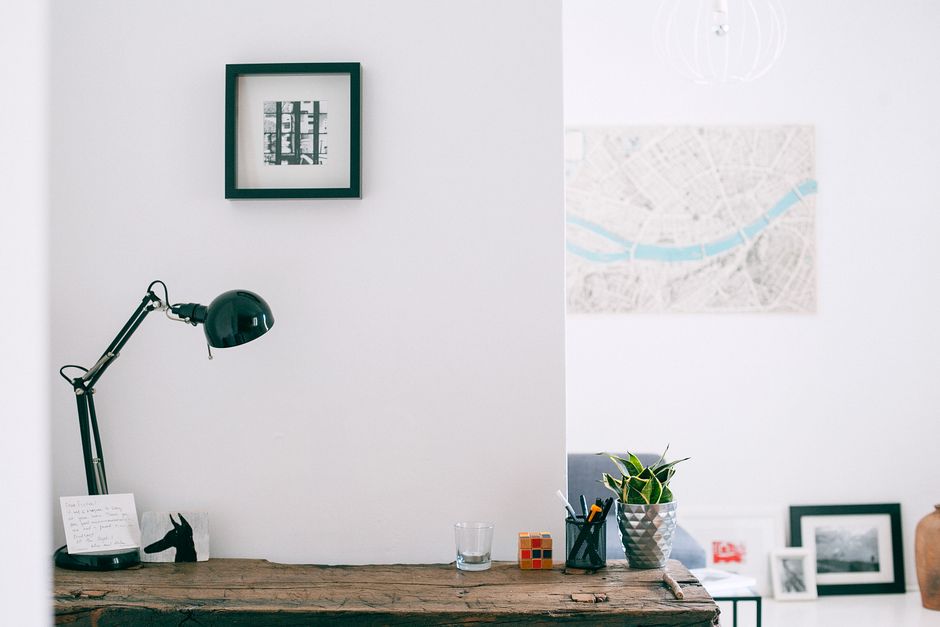
What Art Desk Looks Like on an Ordinary Day
It's a quiet evening at my home desk, the kind of moment that begs for a short creative session. I reach for my sketchbook, its pages crisp and waiting, while a pen rests beside my favorite coffee mug. The supply tray, filled with an assortment of colored pencils and markers, sits within arm's reach. This is the setup I envisioned, yet as I flip through the sketchbook, I realize I haven’t marked the next page I want to work on. The absence of a clear starting point creates a small but noticeable friction, a hesitation that pulls me away from diving into my drawing.
As I sit there, I notice how easy it is to overlook these details that can derail my creative flow. The simple act of not choosing a page beforehand feels like a missed step that complicates my transition into art practice. Instead of smoothly opening the sketchbook and letting my ideas flow, I’m caught in a moment of indecision. This friction is a reminder that starting new hobbies slowly requires more than just enthusiasm; it demands a thoughtful approach to setup, where each element is intentionally placed to minimize distractions and maximize inspiration.
The Moment of Hesitation at the Art Desk
The art desk is a vibrant mess, scattered with a notebook, a pen, and a half-open sketchbook. The late afternoon light filters through the window, casting a warm glow over the supplies. I settle into my chair, coffee mug steaming beside me, ready to dive into my creative session. Yet, as I glance at the sketchbook, a wave of hesitation washes over me. The next page isn’t marked, and this small oversight looms larger than it should.
This moment of indecision is palpable. I want to sketch, but without a clear starting point, I find myself stuck in a loop of uncertainty. The absence of a chosen page creates friction, making it difficult to transition from the comfort of my chair to the act of drawing. Instead of flipping the sketchbook open and letting my ideas flow, I’m caught in a moment of pause, weighing my options.
To break this cycle, I decide to take a small but effective step: I reach for a sticky note and place it on the page I want to work on next. This tiny action marks my intention, transforming the blankness into a clear directive. With the note in place, I feel a shift. The clutter on my desk becomes less of a distraction, and I can finally focus on my craft project. By preparing this simple setup before I sit down, I can reduce the friction that often halts my creative flow, allowing me to start my art practice more smoothly.
The Forgotten Page: A Small Mistake
At my art desk, the quiet hum of the evening settles in as I prepare for a short creative session after dinner. I can see my sketchbook lying open, its pages blank and inviting. Yet, as I reach for my favorite pen, I realize the next page isn’t marked. This oversight leads to a moment of hesitation. Instead of diving into my drawing, I find myself staring at the untouched pages, caught in a loop of indecision about where to begin.
The absence of a chosen starting point makes it easy to miss a crucial step in my routine. I had skipped the simple act of selecting a page before sitting down, which creates a barrier between my intention and action. I glance at my supply tray, filled with vibrant markers and brushes, but they become a distraction rather than an inspiration. To regain focus, I quickly grab a sticky note and place it on the page I want to work on next. This small act transforms that blank space into a clear directive, signaling my mind to shift gears. With the note in place, I can finally let go of the clutter in my thoughts and start my art practice with renewed clarity.
Checklist for a Smoother Start
A slightly different version of this problem appears in Creative Hobbies For Adults, where the sequence changes but the hidden drag feels familiar.
Before diving into a creative session, a few simple adjustments can significantly reduce setup friction. At my art desk, I’ve noticed that the difference between a smooth start and a hesitant pause often lies in small, intentional choices. For instance, keeping my sketchbook open to the next blank page eliminates the indecision that can creep in when I sit down. Instead of flipping through pages, I can immediately begin sketching my ideas. This minor change sets a clear direction right from the start.
- Open your sketchbook to the next blank page before you start your session.
- Organize a dedicated supply tray with your favorite pens, markers, and brushes for easy access.
- Place a sticky note on the page to remind yourself of your next project or idea.
By implementing these steps, I can transform my setup into a seamless experience. The sticky note serves as a visual cue, guiding my focus and preventing me from wandering into distractions. When I sit down at my desk during a quiet moment before work, I can quickly grab my coffee mug, open my sketchbook, and dive right in, ready to create without the weight of uncertainty.
From Friction to Flow: A Repeatable Pattern
If this pattern keeps repeating, Starting New Hobbies Slowly extends the idea without leaving the niche.
Preparing my art desk before diving into a creative session has become a small ritual that eases my transition into drawing. Each evening, just five minutes before I wind down for the day, I gather my essential materials: my favorite pens, a sketchbook, and a clean mug for my coffee. This simple act of setting up creates a visual cue that signals it’s time to create, reducing the friction I often feel when I sit down to start.
One key adjustment is to ensure I have a dedicated supply tray where everything is organized. I place my pens and brushes neatly, so I don’t waste time rummaging through clutter. The tray sits right next to my sketchbook, which I always leave open to the next blank page. This way, when I sit down, I can immediately start sketching without the hesitation of flipping through pages or deciding what to draw next. The act of journaling my thoughts or ideas on that first page allows me to capture inspiration without distraction.
Over time, this practice has turned into a habit that sticks because it transforms my workspace into a welcoming environment. I’ve noticed that by minimizing clutter and preparing ahead, I can quickly immerse myself in my creative flow. The ease of grabbing my materials and starting right away makes it less likely for me to skip a session, even on busy days. As I sip my coffee, I feel ready to embrace the blank page, knowing that my setup supports my creative journey.
As I finish a short creative session, I take a moment to acknowledge the importance of marking my stopping point. Leaving the sketchbook open to the next blank page is not just a convenience; it’s a signal to my brain that this art practice is ongoing. This simple act of preparation helps me avoid the friction of indecision when I return. I can easily pick up where I left off, rather than wasting time flipping through pages or contemplating what to create next.
Next time I sit down at my art desk, I’ll make sure my supply tray is fully stocked and my sketchbook is ready. This small check ensures that I can dive straight into my creative flow without any setup drag. By consistently creating this ready-to-start environment, I’m setting myself up for success in my journey of starting new hobbies slowly.