Navigating Creative Blocks: Starting New Hobbies Slowly
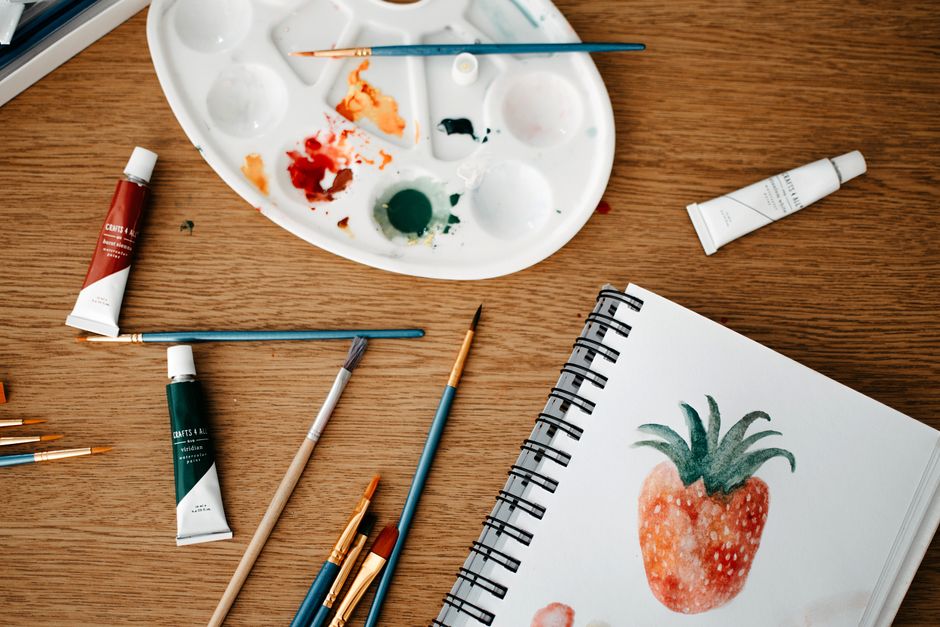
At the corner of my art desk, the sketchbook lies closed, its pages untouched for days. The soft light of the late afternoon filters through the window, casting a warm glow over my collection of colored pencils and markers, all neatly zipped in a bag. I glance at the clock, noting the quiet block of time before dinner. It feels like the perfect moment to dive back into my drawing practice, yet I hesitate. The next step is never marked, and the thought of opening that sketchbook feels heavier than it should.
Each time I think about restarting, I remember how my creative sessions used to flow effortlessly. But now, the supplies stay zipped away, and the gap between my last drawing and today looms larger. I realize that without a clear plan or a small action to bridge that gap, I risk letting another evening slip by without picking up a pencil. Maybe all it takes is a simple adjustment—like setting my sketchbook out on the desk, ready to greet me, to ease back into my creative habits.
The Default Method: Creative Sessions That Fizzle Out
After a long day, many adults sit at their art desk corner, filled with a mix of anticipation and fatigue, ready to dive into their creative hobbies. They envision a productive evening sketching in their sketchbook or journaling ideas. However, the moment they sit down, distractions creep in, and the initial excitement begins to wane. The supplies, neatly zipped in a bag, feel like an obstacle rather than an invitation.
It seems reasonable at first to think that a quick setup won't take much time. Yet, the reality is that the act of unzipping the bag, finding the right pencil, and flipping open the sketchbook can feel like climbing a mountain after a busy day. Each step introduces friction that can derail the entire session. Instead of flowing into creativity, the artist finds themselves staring at the blank page, overwhelmed by the gap since their last creative session.
This setup friction often leads to unfinished projects or missed sessions altogether. The sketchbook remains closed, and the desire to create dissipates into the evening air. A simple adjustment could change this pattern: placing the sketchbook and a favorite pen directly on the desk earlier in the day. This small act transforms the space into a welcoming environment for creativity, reducing the friction that often halts progress.
Why the Routine Often Fails to Stick
The art desk corner can quickly become a cluttered landscape of forgotten supplies and half-finished projects. When the sketchbook lies closed beneath a pile of loose papers, the thought of starting a creative session can feel daunting. After a few missed days, the mood to create often drifts away, leaving behind only a sense of frustration. The act of journaling or drawing transforms from an enjoyable escape into a chore that feels like an uphill battle.
Each evening, as the quiet settles in after dinner, it’s easy to think that a spontaneous creative moment will flow effortlessly. However, without a clear structure or visible prompts, the routine can fall apart. The pencil remains zipped inside a bag, and the sketchbook stays shut. This lack of preparation creates a weak point under pressure, where the desire to create meets the reality of a cluttered space. Instead of diving into the sketchbook, the artist finds themselves stuck, staring at the chaos on the desk.
A small yet effective change can make a difference: placing the sketchbook and a favorite pen directly on the desk before work. This simple action not only signals readiness but also reduces the barriers that lead to disengagement. With these tools visible, the artist can reclaim the space for creativity, making it easier to transition into a short session of drawing or journaling. Yet, the challenge remains—what happens when the next step isn’t marked, and the supplies are still hidden away? The cycle of hesitation can continue, leaving the creative spark flickering in the background.
A Simple Alternative: Marking Your Next Step
Returning to a creative hobby after a few missed days can feel daunting, especially when the supplies remain tucked away in a bag. Instead of planning an entire drawing session, consider a more effective approach: simply open your sketchbook and mark the next step to take. This small act serves as a cue, signaling your brain that it’s time to create without the pressure of a full setup.
To implement this, place your sketchbook and a favorite pen right on your art desk corner, where they are easily visible. When you sit down with your coffee mug in the quiet block after dinner, the first thing you should do is flip open the sketchbook to a blank page. Grab the pen and jot down a quick note or doodle that captures your current mood or thought. This act not only reduces the friction of getting started but also gives you a tangible next step to follow. Without this simple marker, it’s easy to lose momentum, leaving you staring at the closed sketchbook, uncertain of how to proceed.
In contrast, if the supplies are still zipped away, the cycle of hesitation continues. You might find yourself distracted by clutter or other tasks, making it even harder to transition into a creative session. By opening the sketchbook and taking that initial small action, you create a welcoming space for creativity, ready to embrace whatever comes next, even if it’s just a few lines or a quick sketch.
The Tradeoff: Less Pressure, More Consistency
A slightly different version of this problem appears in Creative Hobbies For Adults, where the sequence changes but the hidden drag feels familiar.
Returning to your sketchbook after a few days away often feels daunting, especially when you sit down at your art desk corner, surrounded by the same simple materials. The blank page can seem intimidating, and the thought of creating something substantial can lead to hesitation. Instead of diving into a complex drawing, consider starting with a quick sketch or a few lines that express your current mood. This less ambitious approach might feel like a step back, but it can actually pave the way for more consistent engagement with your creative practice.
When you open your sketchbook and commit to just a few minutes of drawing, you reduce the pressure of producing a masterpiece. The tradeoff here is between depth of practice and regularity. By focusing on small, manageable actions, like doodling or jotting down thoughts in your notebook, you create a rhythm that encourages gradual improvement. If you find yourself staring at a closed sketchbook, unsure of where to begin, remember that the next step doesn’t have to be grand. Instead, let it be a simple act of placing your pen on paper, even if it’s just to draw a few circles or lines.
However, this method does come with a cost. You might sacrifice the depth of your art practice, as the focus shifts from creating detailed pieces to maintaining a consistent habit. Yet, for many beginners, this tradeoff is worthwhile. It allows you to ease back into your creative hobbies without feeling overwhelmed, ultimately fostering a more sustainable relationship with your art. As you continue to engage in these small sessions, you may find that your skills develop naturally over time, even if the progress feels slow at first.
When This Approach Fits Best: Evening Blocks and Quiet Moments
If this pattern keeps repeating, Starting New Hobbies Slowly extends the idea without leaving the niche.
Evenings often provide a unique opportunity for creativity, especially during those quiet blocks right before work or after dinner. In these moments, distractions are minimal, allowing for a focused return to your sketchbook. The key is to have your supplies visible and ready, like a sketchbook perched on the edge of your art desk. This simple setup acts as a gentle nudge, reminding you to engage with your hobby without the hassle of extensive preparation.
Consider the scene: the soft light of a lamp casts a warm glow over your workspace, and a coffee mug sits nearby, half-filled with your favorite brew. You glance at the sketchbook, its pages waiting to be filled. Instead of feeling overwhelmed by the thought of creating a masterpiece, you can simply open the sketchbook and draw a few lines or shapes. This small action can reignite your creative spark, serving as a bridge back to your art practice.
However, if your supplies are zipped away in a bag, the friction of unpacking can deter you from starting. To ease this, keep a few essential tools, like a pen and your sketchbook, easily accessible. When you sit down, the first step is to take a moment to check that everything you need is within reach. This small adjustment can make a significant difference in how quickly you dive back into your creative session. Yet, the tradeoff remains: while the focus shifts from elaborate projects to quick sketches, the act of creating consistently can ultimately foster a deeper connection to your art over time.
After a few missed days, the thought of returning to your sketchbook can feel daunting. You might find yourself staring at the blank pages, unsure of where to start. Instead of letting that overwhelm you, take a moment to clear your art desk corner and ensure your supplies are visible. A simple act like placing your sketchbook and a pen on the desk can eliminate the friction of searching for materials later. This small adjustment invites you to engage with your creative habits more easily.
As you sit down with your coffee mug nearby, remember that the first step is simply to open the sketchbook. Allow yourself to draw a few lines or jot down thoughts without the pressure to create something perfect. This easy entry into your art practice can help you ease back into the flow of creativity. The next time you find yourself hesitating, check that your supplies are ready and waiting. That small act of preparation can make all the difference in overcoming the block and reigniting your passion for your creative hobbies.


