What Small Change Makes Starting New Hobbies More Workable After Work?
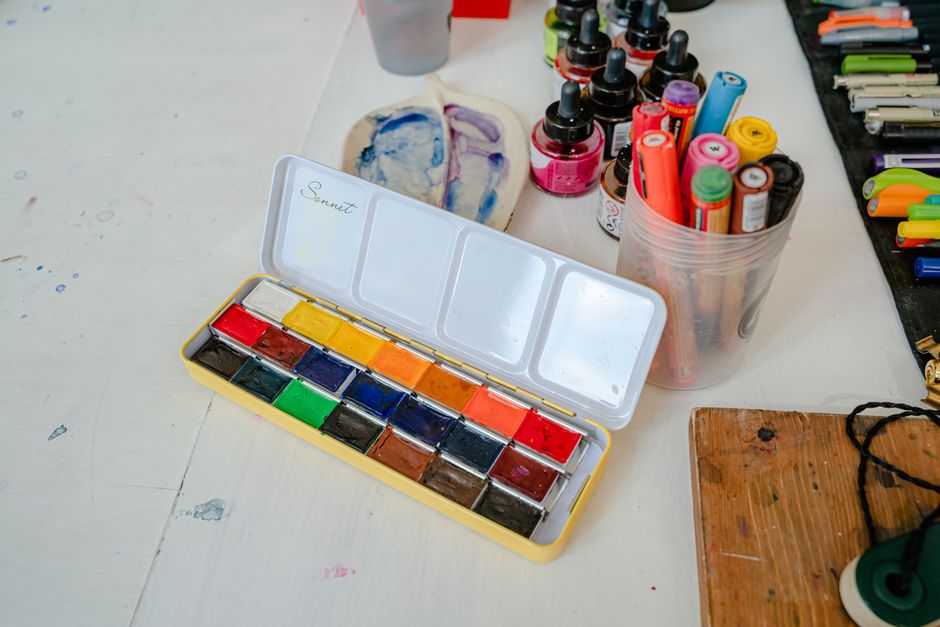
As the evening settles in, the soft glow of a lamp casts a warm light over the cluttered surface of the home desk. A sketchbook lies open, its blank pages inviting yet daunting. The coffee mug sits half-empty, a reminder of the quiet moments before dinner when creative thoughts often spark. Tonight, the intention is to dive back into drawing, but the familiar friction arises: the next page isn’t marked, and the simple act of choosing a starting point feels heavier than it should. Instead of diving into a flow, the hesitation lingers, leaving the potential for a short creative session on the table, unfulfilled.
Without a clear next step, the momentum fades. The art supplies—pencils, erasers, and a few vibrant markers—are all within reach, yet the absence of a designated starting point creates a barrier. It’s easy to overlook the importance of marking the next page or jotting down an idea for the evening’s craft project. This small adjustment could transform the desk into a launchpad for creativity rather than a source of frustration. By simply noting what comes next, the transition from a busy day to a fulfilling creative habit becomes more seamless, allowing for a productive evening without the setup friction that often derails intentions.
The Routine That Should Work
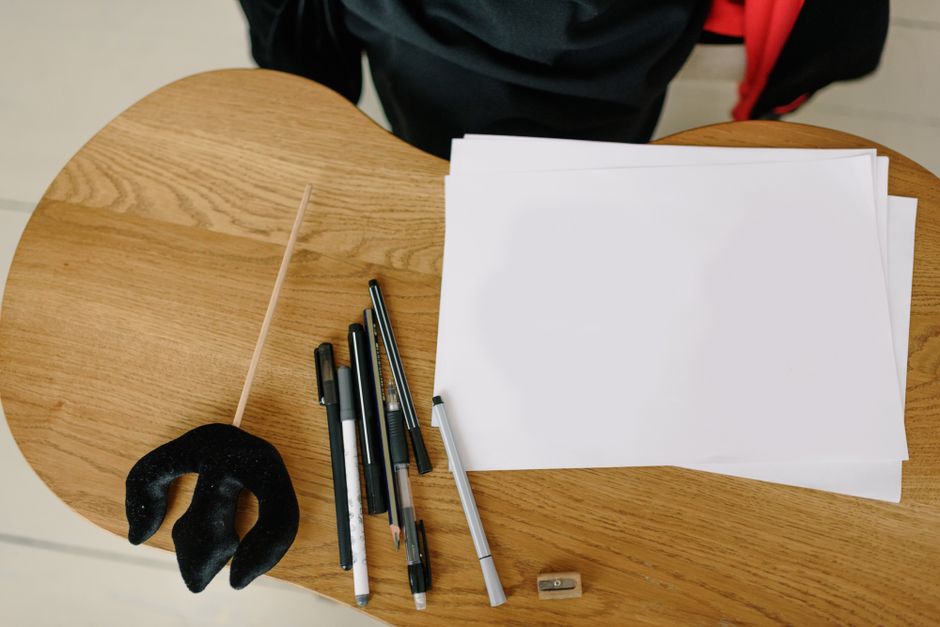
As the evening settles in, the soft glow of the lamp illuminates the home desk, where a sketchbook lies open, waiting for attention. The pen, resting beside a half-empty coffee mug, beckons for a quick creative session. Yet, the absence of a clear next step looms large. The last page remains unmarked, and the thought of choosing what to draw feels like a hurdle. This moment of indecision can easily derail the intention to engage in a craft project, leaving the evening's potential untapped.
To turn this around, a simple adjustment can make all the difference. Before wrapping up a previous session, take a moment to jot down the next step in a visible spot on the sketchbook. Whether it’s a rough outline of a new drawing or a few notes for a journaling entry, this small act creates a defined starting point for the next time. When the desk is set up with the sketchbook open to the marked page, the transition from the day's busyness to creativity feels almost effortless. The materials are there, and the mind is already pointed towards the next action, making it easier to dive straight into the art practice without the friction of uncertainty. This way, the evening can become a productive space for creativity, rather than a missed opportunity.
Where It Breaks First: The Setup Slip
As you sit at your lamp-lit work surface, the familiar sight of your sketchbook and coffee mug can feel inviting, yet a small oversight can quickly disrupt your creative flow. If the next page in your sketchbook isn’t chosen before you finish your last session, hesitation creeps in. You might find yourself staring at the blank page, wondering where to start, while the materials you need sit just out of reach, causing a frustrating delay.
- Mark the next page in your sketchbook with a sticky note or a quick sketch to signal your next move.
- Keep your pen and any other necessary supplies within arm's reach to eliminate unnecessary searching.
- Set a timer for a short session, like 15 minutes, to encourage focused creativity without the pressure of a long commitment.
When you take a moment to prepare by marking the next step, the transition from the day's busyness to your creative session becomes smoother. Instead of wasting time deciding what to do next, you can dive right into your craft project. This small act of preparation, done just before closing your sketchbook, serves as a checkpoint that can prevent drift and keep your creative habits intact.
Why This Failure Repeats
A slightly different version of this problem appears in Creative Hobbies For Adults, where the sequence changes but the hidden drag feels familiar.
A cluttered art desk can quickly become a barrier to creativity. If your supplies are scattered or your sketchbook is closed, you may find it hard to start a new session. Without a clear next step marked, uncertainty creeps in, leading to hesitation. It’s not just about having the right materials; it’s about knowing where to begin. If you close your sketchbook without marking the next page, you leave yourself with a blank slate that feels daunting. Instead of a clear direction, you face a void.
After a few missed evenings, the motivation to dive back into your creative hobbies often wanes. You might sit at your lamp-lit work surface, coffee mug in hand, feeling the weight of previous failures. Each missed opportunity can create a mental block, making it harder to engage with your art practice. The hidden cause is often a simple oversight: the absence of a visible cue to guide your next action. This lack of preparation transforms your creative sessions into a daunting task rather than an enjoyable escape.
Consider the ordinary-life constraint of time. After a long day, the thought of setting up your supplies can feel overwhelming. Instead of gathering everything anew, keep a small checklist on your desk. This could include marking the next page in your sketchbook, setting out your favorite pens, or even placing a sticky note with a reminder of what you intended to create. By creating a visible cue, you eliminate unnecessary searching and make it easier to transition into your craft project. This small adjustment can significantly lower the barrier to starting, allowing you to reclaim your creative time without the friction of indecision.
A Simple Correction: Marking the Next Step
If this pattern keeps repeating, Starting New Hobbies Slowly extends the idea without leaving the niche.
Before wrapping up your last creative session, take a moment to choose and mark the next page in your sketchbook. This simple act can prevent the common friction of indecision when you sit down to create again. Instead of flipping through pages during your next session, you’ll have a clear starting point, which can save valuable time and mental energy.
To enhance this process, keep a sticky note on your desk with a reminder of what you intend to work on next. For instance, if you plan to sketch a new idea or continue a craft project, jot that down. Place the note right next to your coffee mug or beside your favorite pens. When you return to your art desk, this visible cue will prompt you to dive right into your creative hobby without hesitation.
This adjustment fits neatly into your routine. When you finish for the evening, simply take a minute to set up for your next session. By marking the next step and having a visible reminder, you eliminate the friction that comes from uncertainty. This small correction transforms your approach, making it easier to engage with your art practice on those busy evenings when time feels tight.
What Becomes Easier After This Change
With a sticky note marking your next step, the transition into your creative session becomes almost seamless. Imagine sitting at your lamp-lit work surface, the soft glow illuminating your sketchbook and pens. Instead of flipping through pages to find where you left off or wondering what to tackle next, you simply glance at the note beside your coffee mug. It reads, 'Sketch ideas for the new craft project.' This small visual cue makes it easy to dive right into your art practice.
When you set aside time after dinner, you’ll find that less time is wasted on setup. Instead of feeling the weight of indecision, you can immediately engage with your journaling or craft project. The next page in your sketchbook is already chosen, and your tools are within reach. You might even discover that you can complete a small piece in the time you usually spend hesitating. This shift not only enhances your creative flow but also transforms those quiet blocks before work into productive moments.
Next time you sit down, take a moment to check your supplies. Ensure your favorite pen is ready, and that your sketchbook is open to the marked page. This simple act of preparation not only reduces friction but also builds a habit of readiness. Each session feels more inviting, encouraging you to explore your creative hobbies more frequently.
As you prepare for your next creative session, take a moment to ensure that your supplies are ready. Check that your favorite pen is in your art desk drawer, and that your sketchbook is open to the marked page, waiting for your next stroke. This small act of preparation can significantly reduce the friction that often halts your progress. When everything is in place, you’re more likely to dive right into your drawing or journaling, transforming those quiet moments after dinner into fulfilling creative time.
Next time you sit down at your lamp-lit work surface, consider marking the next step in your craft project. Whether it’s a simple note in your notebook or a visual cue in your sketchbook, this small adjustment can guide you into action without hesitation. By keeping your creative space organized and your intentions clear, you’ll find it easier to nurture your art practice slowly but surely.