What Part of Starting New Hobbies Slowly Usually Slips First on a Crowded Day?
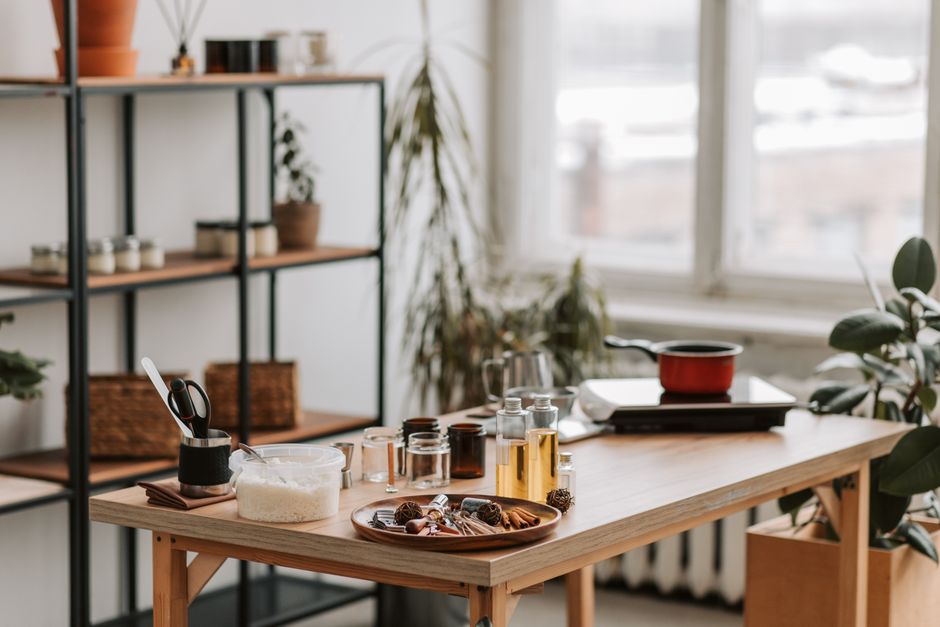
As the afternoon light filters through the window, I sit at my home desk, a sketchbook open to a fresh page, ready to dive into a short creative session. The familiar sight of my coffee mug beside me and the soft rustle of my notebook beckons me to start drawing again. Yet, despite the inviting setup, I find myself staring at the untouched materials zipped inside a bag just out of reach. This moment, filled with potential, often slips away as I hesitate, caught between the desire to create and the friction of an unprepared workspace.
It’s easy to overlook the small details that can derail the best intentions. The supplies, though nearby, aren’t ready for action. I realize that I need to take a moment to unpack my tools—pencils, erasers, and a few colored markers—before I can truly begin. This simple step, often forgotten in the rush of a busy day, can make all the difference in maintaining a consistent art practice. Without it, I risk letting another evening slip by without making any progress on my creative hobbies, leaving my sketchbook blank and my ideas unexpressed.
The Routine You Planned to Follow
Sitting at my art desk, I glance at the notebook and pen poised for action. The lamp casts a warm glow over the workspace, and the rich aroma of freshly brewed coffee fills the air. This setup is perfect for a quick 20-minute sketch session before diving into my day or unwinding after dinner. Yet, despite the inviting atmosphere, I often find myself hesitating, caught in the web of an unprepared workspace.
The first step in my ideal routine is to ensure that my supplies are easily accessible. I reach for the zipper of the bag where my colored pencils and markers are stored. Unzipping it reveals a vibrant assortment, but I notice that I haven't fully organized them since my last session. Instead of diving into sketching, I take a moment to arrange the colors I want to use. This small adjustment—placing the most frequently used colors on the desk—saves time later and reduces the friction of searching through the bag mid-creative flow.
Next, I check my sketchbook, flipping through the pages to find a clean sheet. It’s vital to have the right page ready, as this sets the tone for my creative session. I can feel the anticipation building as I prepare to put pen to paper. However, if I skip this step, I risk losing momentum, and the drive to create may fade before I even start. By establishing this routine, I create a seamless transition from my daily activities to my creative practice, ensuring that the time I’ve carved out remains productive and fulfilling.
Where the Process Breaks Down First
This same friction shows up again in Creative Hobbies For Adults, especially when the day tightens unexpectedly.
As I sit at my home desk, the quiet moment before work beckons me to sketch. My sketchbook lies open, ready for ideas, but my supplies remain zipped in a bag across the room. The first snag appears here: I intended to dive into my creative session, yet the act of retrieving my materials feels like a hurdle. Instead of starting my drawing, I find myself hesitating, eyeing the bag instead of my sketchbook.
Just as I muster the energy to get up, a notification buzzes on my phone, pulling my attention away. I glance at the screen, and suddenly, my focus shifts from the anticipation of creating to scrolling through messages. This distraction compounds the delay, and I can feel the initial spark of inspiration beginning to flicker. It’s easy to lose momentum in these moments, especially when I know that the supplies could have been laid out beforehand.
To mitigate this common pitfall, I remind myself of a simple rule: always check the state of my supplies the night before. If I had taken a few minutes to unpack my sketching materials and set them on the desk, I would have avoided this friction entirely. Now, instead of flowing into a creative session, I’m stuck in a cycle of interruptions. As I finally rise to grab the bag, I realize that the longer I delay, the harder it will be to reignite my motivation. The supplies should be ready to go, not an afterthought, and this moment of drift serves as a clear reminder of how easily a creative habit can slip away. Why This Failure Happens Again and Again As I sit at my home desk, the clutter of unfinished projects looms larger than the blank page in my sketchbook. A half-opened bag of supplies sits nearby, its contents barely visible. The mood shifts from excitement to a barrier, as I feel the weight of procrastination settling in. Instead of diving into a creative session, I find myself scrolling through messages, letting the initial spark of inspiration flicker out. This delay isn’t just about the supplies being zipped away; it’s a mental block that grows with each passing moment.
- Supplies should be laid out the night before to avoid unnecessary friction.
- A cluttered desk can create a sense of overwhelm, making it hard to start.
- Even a quick check of what’s available can reignite motivation.
When I finally decide to unpack the bag, I realize that the longer I wait, the harder it becomes to reignite my motivation. The act of simply placing my sketchbook on the desk and pulling out a pen can serve as a crucial checkpoint. This small adjustment—removing the clutter and making my materials visible—can transform my mood from blocked to ready. However, the hidden cause of this friction often lies in the ordinary-life constraints of a busy day, where creative habits are easily overshadowed by the demands of work and family. Recognizing this pattern is the first step in reclaiming my creative time.
A Small Correction to Change Your Routine
A slightly different version of this problem appears in Starting New Hobbies Slowly, where the sequence changes but the hidden drag feels familiar.
Before diving into a creative session, I often find my sketchbook tucked away in a drawer, buried under old receipts and half-finished notes. This small detail can derail my plans entirely, especially when I have a quiet block of time before work. Instead, placing my sketchbook on the edge of my desk the night before serves as a crucial visual cue, reminding me that I have a creative outlet waiting for me.
Establishing a non-negotiable time slot for creativity, even if it’s just five minutes, can dramatically shift my routine. I’ve learned that when I sit down with my coffee mug, pen in hand, and see my supplies ready to go, I’m more likely to engage with my art practice. If I skip this step, the friction of gathering materials can easily lead to procrastination. By making this small correction, I not only eliminate the clutter but also create a consistent ritual that keeps my creative habits alive, even on the busiest days.
A Quick Check That Prevents More Drift
When I sit down at my home desk, the first thing I do is glance at the edge of my sketchbook, which I've made a habit of placing there the night before. This simple act serves as a visual cue, reminding me that I have unfinished creative projects waiting for my attention. However, if my art supplies are zipped away in a bag instead of spread out within reach, I often find myself hesitating, even if I have a quiet block of time available. The friction of needing to unpack everything can quickly derail my intentions.
To avoid this, I now take a moment each evening to lay out my essential tools—my favorite pens, a few colored pencils, and a small notebook—right next to my sketchbook. This not only creates a welcoming environment for creativity but also establishes a clear starting point for my session. If I see my coffee mug sitting nearby, filled with fresh brew, I know I’m ready to dive in. The act of preparing these items the night before removes the barrier of setup, allowing me to jump straight into my art practice without unnecessary delay.
Before I begin, I also check that my sketchbook is open to a fresh page, ready for whatever ideas come to mind. This quick check ensures that I won’t waste precious moments flipping through old sketches, which can lead to drifting thoughts and a loss of motivation. By making these adjustments, I can maintain my creative momentum, even on the busiest days.
What Changes Once That Fix Repeats
With my supplies now consistently prepped each evening, the transition to a creative session feels almost effortless. I can grab my sketchbook, already opened to a fresh page, and my favorite pen without wasting time searching for anything. This small adjustment means that on busy days, like today, I can immediately dive into journaling or sketching ideas that have been swirling in my mind.
When I sit down at my home desk, the familiar sight of my neatly arranged materials—a vibrant set of colored pencils, a well-loved notebook, and my trusty coffee mug—serves as a visual cue that creativity is within reach. Instead of feeling overwhelmed by the prospect of starting, I can simply pick up my pen and begin. The act of photographing the current state of my desk also helps; it captures the setup that encourages creativity, making it easier to replicate in future sessions.
This evening, I notice that the time block I have before work is now filled with focused creativity instead of the usual hesitation. I can sketch freely without the friction of disorganized supplies or an unprepared workspace. Each session becomes a small victory, reinforcing the habit and making it easier to return to my creative practice tomorrow, even amid a crowded schedule.
As I wrap up my creative session, I notice how quickly I fell into the flow once the supplies were ready. The simple act of laying out my colored pencils and sketchbook beforehand made all the difference. Instead of fumbling around for materials, I could dive straight into drawing. This small adjustment—preparing my art desk the night before—ensures that I can engage with my creative hobbies even on the busiest days.
Next time I sit down to create, I’ll make it a point to check that my supplies are easily accessible and ready to go. A quick glance at my sketchbook page edge reminds me of the unfinished ideas waiting for attention. By setting up this way, I can avoid the slip that often derails my creative practice and keep the momentum going, even if it’s just for a short session.


