The Setup Trap: Why Starting New Hobbies Slowly Can Falter

At the corner of my home desk, the sketchbook lies open, its pages inviting yet untouched. The quiet block of time after dinner feels like the perfect moment to dive into a new drawing. I reach for my favorite pen, but a glance at the blank page reveals a decision that hasn’t been made: which idea to sketch next? The hesitation lingers, and I realize that the next page isn’t chosen, creating an invisible barrier to starting. Without a clear cue to begin, I find myself stuck, caught between the desire to create and the inertia of indecision.
Each evening, I promise myself to engage in my creative practice, yet the setup often feels like a mountain to climb. The simple act of gathering supplies can become overwhelming, especially when I have to sift through clutter for my favorite markers or find a clean space on the desk. This friction turns what should be a joyful exploration into a chore, and before I know it, the session ends without a restart cue. The art desk, once a sanctuary of inspiration, becomes a reminder of missed opportunities, and I’m left wondering how to break this cycle of hesitation.
The Creative Session Begins
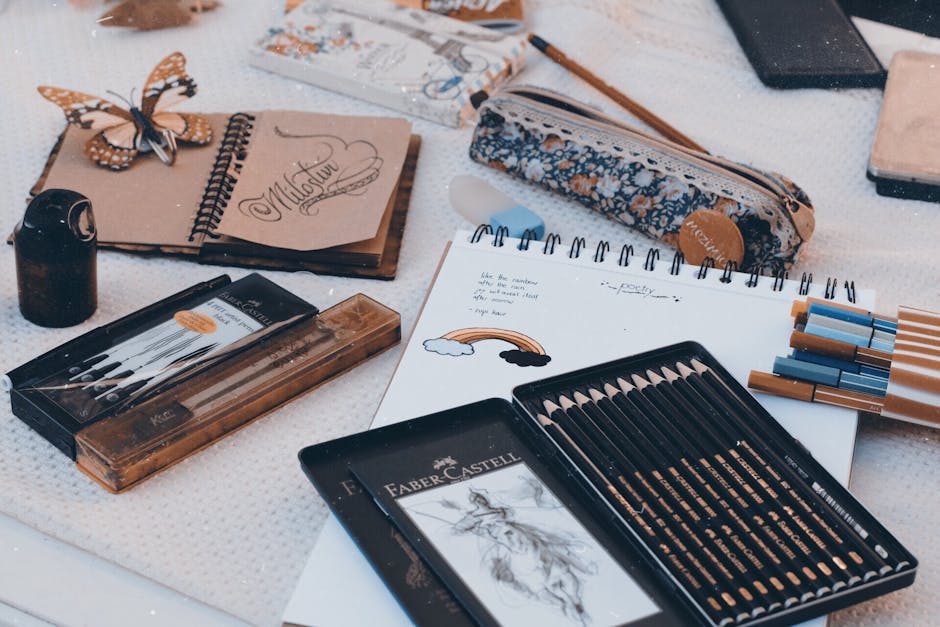
At my home desk, the sketchbook lies open, its pages slightly crinkled from previous sessions. The pen, a reliable black gel, rests beside a half-empty coffee mug, remnants of a quiet moment before diving into the day’s work. This is my designated creative space, where I aim to reignite my art practice during the fleeting hours after dinner, when the house is still and my mind is free from distractions.
As the clock ticks toward seven, I feel the familiar tug of inspiration mixed with the weight of indecision. I glance at the edge of the sketchbook page, where the last drawing abruptly stops. The next page is blank, a canvas waiting for an idea that hasn’t yet formed. It’s a small but significant barrier; without a clear direction, the energy to start fizzles out. I remind myself to choose a subject before I sit down, but the thought of flipping through my reference images feels daunting.
To ease into this creative session, I decide to set a simple rule: I will only spend two minutes brainstorming ideas before picking up the pen. I take a deep breath, push aside the coffee mug, and lean forward, ready to engage. This small adjustment—committing to just two minutes—transforms the setup energy from a heavy weight into a manageable task. I jot down quick sketches in the margins, letting one idea lead to another. The act of writing sparks a flow that feels almost effortless, and before I know it, I’m sketching freely, the initial friction fading away.
Yet, as I fill the page, I can’t shake the feeling that the setup could be smoother. If I had a designated spot for my favorite markers or a checklist of prompts easily accessible, perhaps I wouldn’t hesitate so much. The art desk, while functional, still holds remnants of past projects, creating a subtle chaos that can disrupt the flow. Each creative session starts with potential but often stumbles over the little things that could make it easier. It’s a delicate balance between readiness and the clutter of unfinished ideas, and I’m left pondering how to streamline this process for next time.
When the Routine Starts to Slip
The sketchbook lies open on my desk, its pages crisp and waiting, yet the next blank page remains untouched. I glance at the coffee mug beside me, now cold, a reminder of the time slipping away. The quiet block before work should be a perfect moment for creativity, but instead, I feel a familiar hesitation creeping in. I know I want to draw, but I’m stalled, the energy to begin fading as I realize I haven’t chosen a page to dive into. That small decision, so simple yet so significant, becomes a barrier to starting.
As I sit there, my pen poised above the sketchbook, I can’t help but notice the clutter around my art space. Unfinished projects litter the edges, and the markers I want to use are buried beneath scraps of paper. This disarray adds to my reluctance; I miss the cue to restart my creative session. I could have set a quick checklist to remind myself to grab my favorite tools or even to choose a page before I sat down. Now, the session ends without a restart cue, leaving me with a sense of unfinished business. The next time I sit down, I need to ensure that my supplies are ready to go, and the next page is already chosen, so I can dive right in without the friction of setup weighing me down. Understanding the Friction in Setup My art desk, cluttered with half-finished projects and scattered supplies, presents a subtle but significant barrier to starting my next creative session. Each time I sit down, the sheer volume of materials—brushes, sketchbooks, and paint tubes—overwhelms me. The mental energy required to sift through this mess before I can even begin drawing often feels greater than the motivation to create. I find myself staring at the edge of the sketchbook, pen in hand, but unable to choose a page to dive into.
- Check the workspace: Clear off unnecessary items that distract from starting.
- Prepare tools: Place favorite materials—like my go-to markers—within easy reach.
- Decide on a page: Choose the next sketchbook page before the session begins.
As I sit there in that quiet block of time, whether before work or after dinner, I realize that good intentions alone won’t cut it. Without a clear setup, the session ends without a restart cue, and I miss the chance to engage with my art practice. Next time, I need to ensure that my supplies are organized and that I’ve pre-selected a page to avoid the setup friction that stalls my creativity.
A Simple Adjustment to Ease the Flow
A slightly different version of this problem appears in Creative Hobbies For Adults, where the sequence changes but the hidden drag feels familiar.
Keeping a dedicated space for ready-to-use materials can significantly reduce the friction that halts creativity. My home desk, cluttered with art supplies, often becomes a barrier rather than a launchpad for my creative sessions. I’ve started to designate a small corner for my essential tools: a sketchbook, a set of colored pencils, and a favorite pen. This way, I can simply reach out and grab what I need without rummaging through a pile of unrelated items. The moment I sit down, I can see everything I require, which lowers the mental barrier to starting.
Setting a timer for a short creative burst has also proven effective. I often underestimate how much I can accomplish in just fifteen minutes. When I know I have a limited time, it pushes me to dive right in instead of overthinking my next move. I’ll choose a page in my sketchbook beforehand, so when the timer starts, I’m ready to begin drawing without hesitation. This small sequence change means that I’m not left staring at the edge of the page, wondering what to do next. Instead, I’m actively engaged, transforming that quiet block of time into a productive session.
However, I still face a challenge: sometimes, I forget to set the timer altogether. Without that structured cue, I find my session drifting and often end up closing my sketchbook without having made any progress. Next time, I need to ensure that I not only prepare my materials but also remember to activate the timer. This simple adjustment could be the difference between a creative flow and another missed opportunity.
The Next Step After the Adjustment
If this pattern keeps repeating, Starting New Hobbies Slowly extends the idea without leaving the niche.
With my sketchbook now open to a chosen page, the familiar weight of my pencil feels reassuring in my hand. I’ve set up my workspace to minimize friction, keeping my art desk organized with my favorite pens and a coffee mug filled with fresh brew. This simple act of preparation transforms my creative sessions, allowing me to dive into drawing without the usual hesitation that comes from indecision.
After finishing a quick sketch, I find myself at a natural stopping point. Instead of closing the sketchbook and leaving it for another day, I take a moment to mark the spot where I’ll continue. Placing a small sticky note on the page serves as a cue for my next session, a visual reminder that I have unfinished work waiting for me. This small adjustment creates a sense of readiness, making it easier to pick up where I left off. Knowing I have a clear starting point lowers the barrier for my next creative moment.
As I look at the marked page, I feel a gentle pull to return to my craft project. It’s not just about having materials ready; it’s about having a clear path back into my creative flow. The next time I sit down, I won’t be faced with the blank edge of a page, but rather a prompt that invites me to continue. This shift not only enhances my engagement but also fosters a more consistent creative habit, allowing me to build on my previous work rather than starting from scratch each time.
As I glance at my art desk, I notice the sketchbook lying open, its pages inviting yet unmarked. The edge of the next page, blank and waiting, feels like a missed opportunity. I realize that without a simple cue to guide me back, the momentum I built during my last session can easily fade. This is the friction that often derails my creative habits—leaving the space in disarray or not having a clear starting point.
Next time, before I step away, I’ll take a moment to choose a page and jot down a few ideas or sketches. This small act of preparation will create a visual anchor, readying me for my next session. By ensuring that my supplies are not just present but also organized with intention, I can lower the barrier to re-engagement and keep my creative flow alive.