The Setup That Slips: How to Start Your Sketchbook Without Friction
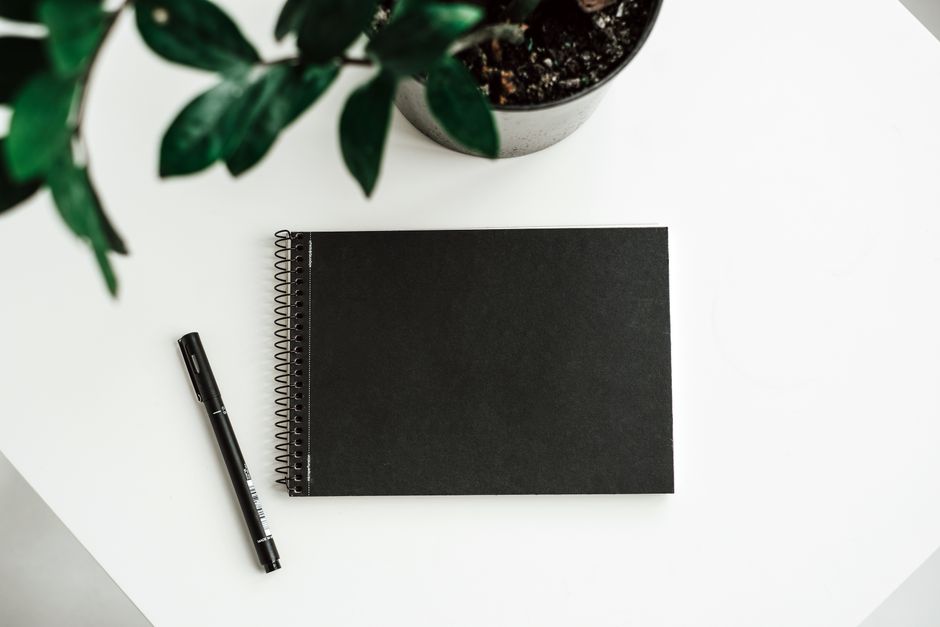
As the evening light filters through the window, the cluttered home desk holds a sketchbook, a few colored pencils, and a half-empty coffee mug. The quiet block of time before dinner feels like the perfect moment to dive back into drawing, yet the thought of setting everything up feels overwhelming. The sketchbook, with its blank pages, seems to taunt me, while the supply tray is filled with tools that haven’t been touched in weeks. I hesitate, wondering how to transition from this moment of stillness to an active creative session.
Opening the sketchbook feels like a small yet significant hurdle. The next page isn’t chosen, and the fear of judgment on that first mark can be paralyzing. I realize that the setup for my art practice often feels bigger than the actual act of creating. If I could just simplify the initial steps—perhaps by laying out my favorite pencils or choosing a page in advance—I might find it easier to ease into the routine. This small adjustment could transform the daunting task of starting into a more manageable flow, allowing creativity to emerge without the friction of preparation.
The Creative Session Already in Motion
The sketchbook lies open on my cluttered art desk, its pages blank and inviting, yet the next page remains unchosen. I glance at the supply tray beside me, filled with an assortment of colored pencils, markers, and a couple of brushes, all waiting for their moment. The quiet block of time before work is the perfect opportunity to dive back into drawing, but I feel the familiar weight of indecision creeping in. The setup feels larger than the act of creating itself, and I find myself hesitating, caught between the potential of the blank page and the fear of making the first mark.
To ease into this creative session, I remind myself to simplify the initial steps. I reach for my favorite mechanical pencil, the one that glides smoothly across the paper, and place it next to the sketchbook. This small action, moving one visible object into reach, begins to shift my mindset. Next, I decide to choose a page in advance—one that feels less intimidating, perhaps a space for doodles or light sketches. By doing this, I eliminate the friction of decision-making that often halts my flow.
As I prepare to draw, I notice the coffee mug steaming beside me, its warmth a comforting presence. This simple arrangement of materials—sketchbook open, pencil ready, and a cozy drink within reach—creates a sense of readiness. Yet, I still feel the tension of not having fully organized my supplies. The markers are scattered, and I realize that I could benefit from a quick check of what’s available before I dive in. Should I arrange them by color or type? This lingering question highlights the tradeoff between spontaneity and preparation, reminding me that even small adjustments can make starting a creative hobby feel less daunting.
In this moment, I’m left with a choice: dive into the drawing with what I have or take a few minutes to organize my supplies. Both paths hold potential, but the friction of setup remains a constant companion in my creative journey.
When the Routine Begins to Slip
A cluttered desk can quickly become a barrier to creativity. As I sit down with my sketchbook during a quiet moment before work, I glance at the supply tray beside me. The markers are jumbled together, some caps missing, and the pencils are scattered haphazardly. This disarray creates an overwhelming sense of setup, making it hard to dive into my drawing. Instead of feeling inspired, I find myself hesitating, wondering if I should take the time to organize everything first.
This hesitation leads to a missed opportunity. Instead of opening my sketchbook and letting my ideas flow, I spend precious minutes contemplating the best way to sort my supplies. Should I arrange the markers by color or type? This decision feels bigger than it should, creating friction that disrupts my creative momentum. As I sit there, the coffee in my mug cools, reminding me that I could have already started sketching. This moment of indecision highlights how small obstacles can derail my intention to engage with my craft project.
In the end, I realize that I need to simplify my approach. Rather than getting bogged down in the setup, I could simply grab my favorite markers and a pencil, placing them within easy reach. By focusing on just a few essential supplies, I can create a more inviting atmosphere for my creative session. This small adjustment—choosing to work with what’s immediately accessible—could transform my experience from overwhelming to enjoyable, allowing me to ease back into my art practice without the weight of unnecessary setup.
Why Setup Feels Bigger Than the Practice
This same friction shows up again in Creative Hobbies For Adults, especially when the day tightens unexpectedly.
Staring at my art desk, the array of supplies sprawled across the surface feels daunting. My sketchbook sits closed, its next page waiting for a mark, while my favorite markers lie scattered in a tray. Each time I think about starting a new drawing, the mental load of deciding which colors to use weighs heavily. Should I pick the vibrant reds or the subtle earth tones? This choice, seemingly small, transforms into a barrier that halts my creative flow. Instead of diving into the act of drawing, I find myself mulling over decisions that shouldn’t take more than a moment.
The quiet block of time I have before work is slipping away as I gather materials. I reach for the coffee mug beside me, its warmth a reminder of the comfort I seek in creativity. Yet, instead of sketching, I’m stuck in a loop of preparation. I realize that I’ve spent more time organizing my supplies than actually creating. The hidden step of choosing materials becomes a tradeoff; I lose precious minutes that could have been filled with strokes of inspiration. My good intentions of starting a new hobby are overshadowed by the friction of setup, making the act of creation feel like a chore rather than a joy.
To ease this friction, I decide to simplify my approach. I grab my sketchbook and a few markers, placing them directly in front of me, ready for use. By limiting my choices to just a couple of favorites, I create a more inviting atmosphere for my creative session. This small adjustment—keeping only essential supplies within reach—can shift my mindset from overwhelmed to engaged. The next time I sit down, I won’t be faced with a mountain of decisions; instead, I’ll have a clear path to my first mark on the page.
One Small Adjustment to Ease Into Creativity
A slightly different version of this problem appears in Starting New Hobbies Slowly, where the sequence changes but the hidden drag feels familiar.
Settling down at my home desk, I notice my supply tray overflowing with materials—colored pencils, brushes, and a variety of sketchbooks. The sheer volume of options can feel paralyzing, especially when all I want is to dive into a quick drawing session. To tackle this, I decide to designate a specific tray just for my most-used supplies. I clear out the clutter, leaving only my favorite markers and a single sketchbook. This way, when I sit down, I’m not overwhelmed by choices.
Next, I open my sketchbook to the last page I worked on, allowing me to bypass the decision of where to start. This small adjustment of keeping the sketchbook open not only saves time but also reduces the mental load of choosing a new blank page. I can immediately begin sketching without the hesitation that often accompanies a fresh start. With my supplies at hand and my previous work visible, I can easily transition into a creative session, whether it’s before work or after dinner.
As I sip my coffee, I realize that these minor tweaks—organizing my supplies and keeping my sketchbook ready—shift the focus from setup to creation. I’m no longer spending precious minutes deciding what to use or where to begin. Instead, I can jump right into my craft project, making the act of creativity feel less daunting and more inviting.
What Gets Easier in the Next Time Block
After a few evenings of sketching, I’ve noticed how the setup can feel like a barrier. Each time I sit at my home desk, I’m greeted by my supply tray filled with pens, pencils, and a few unfinished sketches. The sight of my materials used to overwhelm me, making it hard to dive into drawing. But I’ve started a small adjustment: I keep my sketchbook open to the last page I worked on. This simple act eliminates the friction of choosing a new blank page, allowing me to pick up right where I left off.
Now, when I have a quiet block of time before work, I can simply reach for my sketchbook without hesitation. I grab my favorite pen from the tray, and with a quick glance at my last drawing, I’m inspired to add a few more lines. This shift not only streamlines my creative session but also helps me build momentum. Instead of wasting time deciding what to draw, I can immediately engage with my ideas. The next time block feels less daunting, and I find myself looking forward to these moments of creativity, knowing I’ve already set the stage for success.
When I sit down at my home desk, the sight of my open sketchbook immediately invites me to engage with my art practice. By keeping it open to the last page I worked on, I eliminate the friction of having to choose a new blank page. This small adjustment transforms my creative sessions from daunting tasks into seamless moments of inspiration. Instead of a blank canvas that feels intimidating, I see the beginnings of my last drawing, which sparks new ideas and encourages me to add just a few more lines.
Next time you find yourself hesitating to start a creative hobby, check your setup. Is your sketchbook open and ready? Taking this simple step can make all the difference, allowing you to dive into your creative habits without the weight of setup holding you back. With your supplies visible and accessible, you can reclaim those quiet moments before work or after dinner for a fulfilling creative session.


