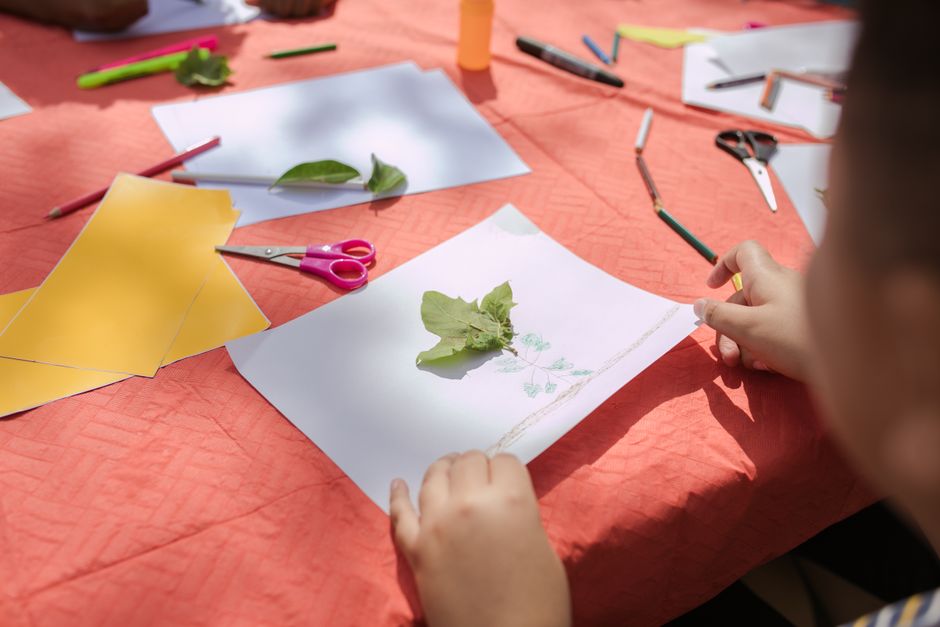
The Setup Shift That Makes Craft Project Easier to Repeat
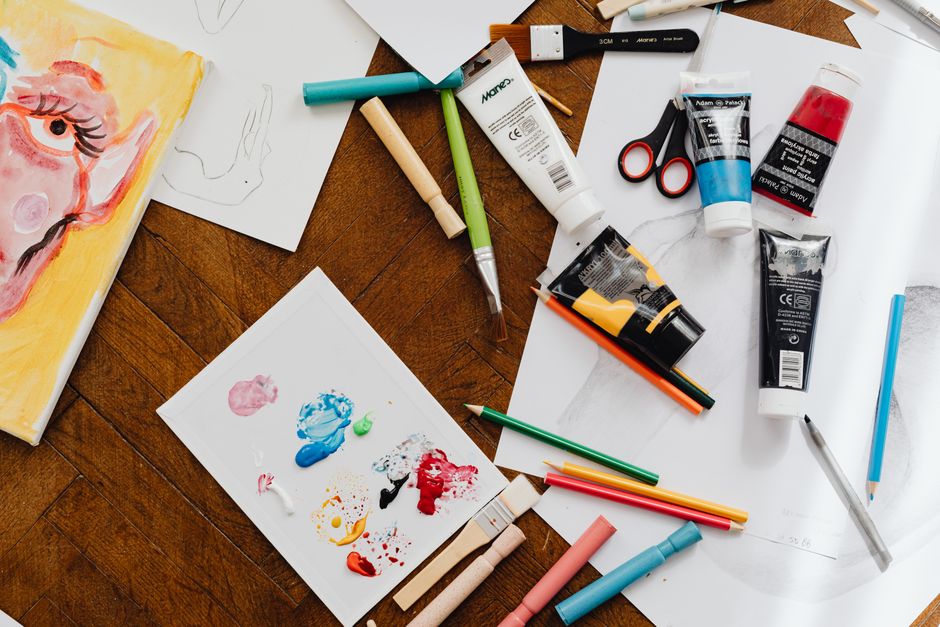
As the sun begins to set, casting a warm glow over the home desk cluttered with creative materials, I reach for my sketchbook. It’s a quiet block of time after dinner, perfect for a short creative session. The pen feels familiar in my hand, but the initial excitement quickly fades as I realize I haven’t marked the next step in my drawing practice. The previous page remains unturned, and the next blank canvas looms, uninviting. This moment of hesitation is all too common, where the friction of setup energy can derail even the simplest of creative hobbies.
On the supply tray beside me, a collection of colored pencils sits neatly organized, yet I hesitate to dive in. I know I should have prepped my materials before this moment, perhaps by choosing a color palette or sketching a rough outline. But without that small act of preparation, I find myself stuck, caught between the desire to create and the inertia of not having a clear next step. This missed check transforms what could be a delightful art practice into a frustrating barrier, making it harder to start than to continue. Recognizing these friction points is crucial for easing into creative habits that can flourish over time.
The Creative Session That Almost Didn’t Happen
Evening settles softly around my home desk, where a sketchbook lies open, flanked by a few colorful pens and a half-empty coffee mug. The quiet hum of the world outside fades as I sit down, ready to dive into my art practice. However, the moment I pick up a pen, I feel the weight of setup energy pressing down. The next page in my sketchbook remains unturned, and the blank canvas before me feels daunting. I know that I should have prepped my materials earlier, perhaps by selecting a color palette or jotting down a few ideas. Instead, I’m left staring at the empty page, caught in a loop of hesitation.
To break this cycle, I remind myself to mark the next step before I sit down next time. I could place a sticky note on the last page I worked on, detailing what I want to sketch next. This small act of preparation would transform my creative session from a struggle into a smooth flow. As I glance at the supply tray, I realize that having everything ready to start is crucial. Without that simple setup, the joy of creating can easily turn into an uphill battle, making it harder to begin than to continue. The decision to prepare in advance could be the difference between a vibrant evening of creativity and a frustrating night of inertia.
When the Routine Begins to Slip
As I sit down at my art desk, the late afternoon light filters through the window, casting a warm glow over my supplies. I reach for my sketchbook, only to realize that I haven’t marked the next page for my drawing session. This simple oversight creates a moment of hesitation; instead of diving into my creative work, I find myself staring at the blank page, feeling the weight of indecision. The thought of gathering my colored pencils and brushes suddenly feels overwhelming, and I’m distracted by the clutter on my desk.
The absence of a marked page means I lack a clear starting point. I could have easily placed a sticky note on the last page, indicating what I wanted to sketch next. Instead, I’m left contemplating the next step, and the joy of creating slips away into a fog of uncertainty. This friction causes me to lose focus, and I catch myself scrolling through my phone instead of picking up my pen. I realize that without a ready-to-start setup, my creative session becomes a battle against inertia.
To combat this, I decide that the next time I finish a session, I will take a moment to mark my next step before I leave my desk. I’ll open my sketchbook to the last page I worked on and jot down a quick note about what I want to create next. This small act of preparation could transform my next session from a struggle into a seamless flow of creativity, allowing me to jump right in without the setup drag that often derails my momentum.
If this pattern keeps repeating, Starting New Hobbies Slowly extends the idea without leaving the niche.
Why Setup Energy Becomes a Barrier
Even with a sketchbook open and a pen in hand, the enthusiasm for creativity can quickly fade when faced with the reality of setup demands. Sitting at my home desk, I often find myself staring at a cluttered supply tray filled with half-used tubes of paint, crumpled papers, and scattered brushes. The initial excitement of starting a new drawing session gets overshadowed by the daunting task of organizing these materials. This clutter amplifies the friction, making it harder to dive into the creative flow.
Good intentions alone don’t bridge this gap. For instance, I might plan to sketch a new idea after dinner, but if I haven’t cleared my desk or organized my supplies, I end up feeling overwhelmed. The hidden step of preparing my workspace often gets overlooked. Instead of simply picking up my pen, I find myself tidying up first, which eats into my creative time. I realize that without a clear plan for what to tackle next, my enthusiasm wanes, and I’m left contemplating whether to even start.
To ease this friction, I decide to implement a small but effective change. After each session, I’ll take a moment to mark the next step directly in my sketchbook. This could be as simple as writing down the next idea or leaving my materials in a visible, ready-to-use state. By doing this, I create a one-step setup that transforms my subsequent sessions into seamless transitions. No longer will I face the barrier of a cluttered environment or an unmarked next step; instead, I’ll have a clear path to follow, making it easier to engage with my creative practice.
A Simple Adjustment to Ease the Process
After a long day, I often find myself sitting at my art desk, ready to dive into a short creative session. However, the excitement can quickly dissipate when I realize I haven’t marked the next page in my sketchbook. This oversight forces me to sift through my previous drawings, searching for inspiration instead of creating. To combat this setup drag, I’ve started a new habit: at the end of each session, I take a moment to jot down the next idea or sketch I want to pursue. This simple act not only saves time but also gives me a clear starting point for my next creative session.
Additionally, I’ve organized a dedicated supply tray on my desk, keeping all my essential materials within arm’s reach. Inside, I have my favorite pens, a small notebook for journaling, and even a few colored pencils. By ensuring that these supplies are ready to go, I eliminate the friction of searching for items when I sit down to create. Now, when I have a quiet block of time before work or after dinner, I can simply open my sketchbook to the marked page, grab my pen, and dive right in without any interruptions. This setup not only streamlines my creative process but also fosters a sense of readiness and enthusiasm, allowing me to engage with my art practice more consistently.
A Quick Check That Prevents More Drift
Before diving into a creative session, a quick glance at your supplies can save you from unnecessary drift. Take a moment to check your supply tray on your art desk. Is your sketchbook open to the next page? This small action can set the tone for your entire session. If you find that the next page is not chosen, it can lead to hesitation and a loss of momentum.
As you sit with your coffee mug in hand, make it a habit to mark the next step in your creative process. Whether it’s a simple note in your notebook or a quick sketch idea, having a clear direction makes it easier to jump right in. This checkpoint belongs at the end of your previous session, creating a seamless transition into your next one. With your supplies ready and a marked page, you can easily shift into a focused mindset, maximizing that quiet block of time before work or after dinner.
What Gets Easier in the Next Time Block
A slightly different version of this problem appears in Creative Hobbies For Adults, where the sequence changes but the hidden drag feels familiar.
Setting up your art desk for a quick creative session can feel cumbersome, especially when you’re eager to dive into drawing or journaling. If you take a moment to prepare your supplies before finishing your last session, you can streamline the process significantly. For instance, placing your sketchbook open to the next blank page and having your favorite pen ready can eliminate the hesitation that often creeps in at the start.
When you finish a creative block, make it a habit to leave a note in your notebook about what you want to explore next. This simple act not only marks your next step but also provides a clear entry point for your next session. With your coffee mug still warm on the desk, you can easily pick up where you left off, rather than wasting precious minutes deciding what to do next or flipping through pages. The friction of indecision fades away, allowing you to maximize that quiet block of time before work or after dinner.
Ultimately, this adjustment means that when you return to your art desk, you can immediately engage with your creative habits instead of facing a setup that feels daunting. The benefit is straightforward: less setup equals more time spent on the craft itself, making your hobby feel more accessible and enjoyable.
After a creative session, take a moment to prepare for your next one by marking the next step in your notebook. This could mean jotting down an idea for your next sketch or simply noting which page in your sketchbook you want to start on. By doing this, you eliminate the friction of indecision and make it easier to dive back into your art practice. When you sit down at your art desk with your supplies already arranged and a clear direction noted, you can immerse yourself in your creative hobbies without the usual setup drag.
Consider keeping a small supply tray on your desk with essential materials—your favorite pen, a sketchbook, and perhaps a journal. Having these items ready to go means that when you find a quiet moment, whether before work or after dinner, you can easily start a short creative session. This small adjustment not only streamlines your process but also transforms those fleeting moments into productive and enjoyable creative time.