The First Step That Gets Skipped When Starting a Sketchbook
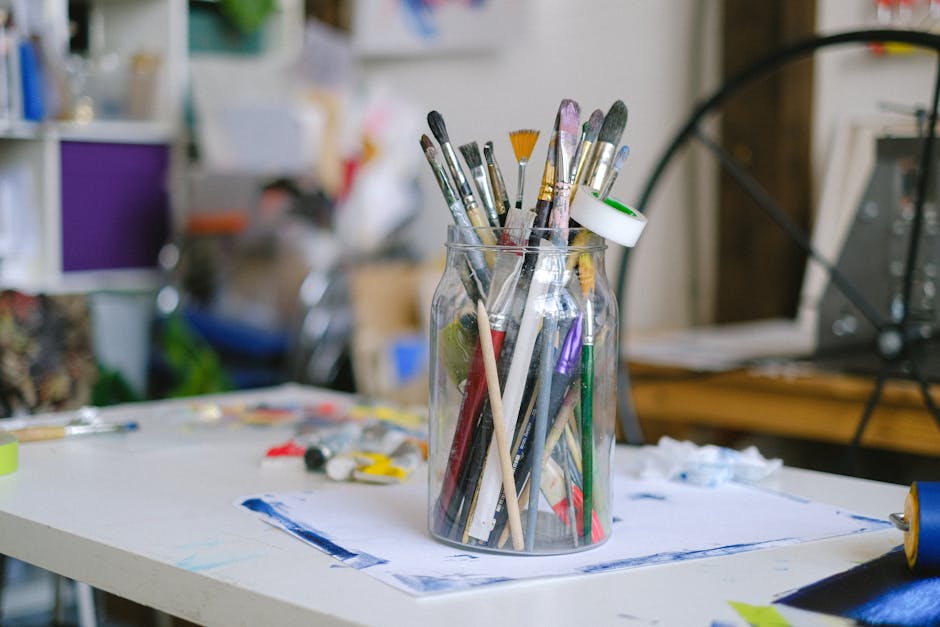
At the home desk, the lamp casts a warm glow over a simple setup: a sketchbook, a pencil, and a coffee mug half-full from last night's creative session. It’s a quiet block of time before work, perfect for diving back into drawing. However, as the pencil sits untouched, the thought of starting feels heavy. The urge to create is there, but the next step—sharpening the pencil—has slipped from the mind. Instead, the focus drifts to the blank page, which only amplifies the hesitation.
This moment often signals the beginning of a familiar pattern. Without marking that next step, the momentum stalls. The pencil remains dull, and the sketchbook remains closed, while the clutter of unprepared materials looms. An unsharpened pencil becomes a barrier, transforming a simple act of creativity into a mental hurdle. Recognizing this friction is key; it’s not just about having the materials ready but ensuring that each piece is in working order before diving into the art practice.
The Expected Routine for a Creative Session
At the home desk, the lamp casts a warm glow over the scattered materials: a sketchbook, a pencil, and a half-full coffee mug. The quiet block of time before work is a perfect opportunity to dive into a creative session. However, the routine often falters at the very first step—gathering the materials. Instead of simply reaching for the pencil, the urge to create quickly becomes overshadowed by the thought of needing to sharpen it first. This friction can derail the entire session.
In an ideal scenario, the sequence is straightforward. First, sit down at the lamp-lit work surface, ensuring it’s free from distractions. Next, check that the pencil is sharp and ready. If it’s not, take a moment to grab the sharpener from the drawer and prepare it. This small act of readiness transforms the experience; a sharp pencil invites creativity, while a dull one stalls it. Once the pencil is prepared, open the sketchbook to a fresh page, and let the ideas flow. Marking that next step—sharpening the pencil—ensures that the creative session can progress smoothly, rather than getting bogged down by unprepared materials.
Where the Routine Breaks Down First
At the start of a quiet evening, the art desk is bathed in warm light, inviting creativity. The sketchbook lies open, but a crucial detail is overlooked: the pencil needs sharpening. In the rush to dive into the drawing, it’s easy to forget this simple yet essential step. Without a sharp pencil, the first stroke can feel hesitant, almost forced. This initial snag is often the first visible sign that the creative routine is slipping away.
As you sit down with a coffee mug in hand, the clutter on the desk—scattered papers and half-finished craft projects—can easily distract from the task at hand. Notifications from your phone buzz softly in the background, pulling your attention further away from the sketchbook. Instead of focusing on the blank page, you find yourself juggling the impulse to check your messages with the desire to create. This internal conflict delays the creative session and can lead to abandoning the sketchbook altogether.
To avoid this drift, establish a small ritual: before starting, set a timer for five minutes dedicated solely to preparation. Gather your materials, sharpen the pencil, and clear the workspace of distractions. By marking this next step as a priority, you create a smoother transition into your creative session. The pencil is sharp, the desk is tidy, and the notifications are silenced. This simple adjustment can make all the difference in maintaining focus and ensuring that the creative flow begins without unnecessary interruptions.
A Small Correction That Makes a Big Difference
A slightly different version of this problem appears in Creative Hobbies For Adults, where the sequence changes but the hidden drag feels familiar.
The sketchbook sits on your home desk, its pages blank and inviting, but the pencil remains dull and untouched. Just beside it, a coffee mug holds the remnants of your last cup, and the lamp casts a warm glow over your creative space. As you prepare for a quiet block of time after dinner, the urge to sketch is overshadowed by the realization that the pencil needs sharpening. This small detail, often overlooked, can stall the entire creative session.
To prevent this friction from derailing your intentions, keep a sharpener within arm's reach of your sketchbook. This simple adjustment transforms your workspace into a ready-to-start setup. Alongside the sharpener, create a checklist on the first page of the sketchbook, noting essential tasks like "sharpen pencil" and "clear workspace." When you sit down to draw, glance at this checklist to guide your actions. Marking the next step not only streamlines the process but also fosters a sense of readiness, allowing you to dive into your art practice without hesitation.
With the pencil sharpened and the checklist checked, you can finally focus on your creative session. The distractions of the day fade away, and the blank page transforms into a canvas for your ideas. This small correction—keeping tools ready and marking steps—can significantly impact how smoothly you transition into your creative hobbies, ensuring that the momentum isn’t lost in the minutiae.
What Becomes Easier After Making the Change
If this pattern keeps repeating, Starting New Hobbies Slowly extends the idea without leaving the niche.
Setting up your art desk for a sketchbook session can shift from a chore to a seamless experience with just a few adjustments. When you take the time to sharpen your pencil and mark the next step—like laying out your sketchbook and pen—everything feels more fluid. Instead of fumbling through the clutter of your workspace, you can sit down with your coffee mug in hand and dive right into your drawing. This small preparation transforms the initial moments of your creative session, making them less stressful.
As you start sketching, the flow of creativity becomes more pronounced. With the pencil sharp and the checklist guiding your actions, you can focus entirely on your ideas rather than on logistics. The act of marking your next step not only eliminates the friction of indecision but also fosters a sense of readiness. The difference is palpable: in your next time block, you’ll notice how quickly you can transition from blank page to vibrant sketch, allowing your thoughts to pour out without interruption.
Next time you sit down after dinner, remember to keep your workspace organized and ready. The simple act of checking off your preparation tasks can lead to a more productive sketching session, where the only thing you need to think about is your art practice. This small change can significantly enhance your creative habits, ensuring that you maintain momentum and truly enjoy the process of starting new hobbies slowly.
As you prepare for your next sketchbook session, take a moment to ensure your pencil is sharpened and your workspace is organized. This simple check can prevent the common friction of starting a creative session without the right tools at hand. When you sit down at your lamp-lit work surface, the last thing you want is to be distracted by an unprepared setup.
Marking your next step in your art practice can be the difference between a productive session and one that fizzles out. Before diving into your drawings, consider jotting down a quick note in your sketchbook about what you want to create. This small action not only clarifies your intentions but also sets the stage for a focused and enjoyable experience. Next time you have a quiet moment, remember to take these few seconds to prepare; it can transform your creative habits and keep your momentum going.