The First Step That Gets Skipped in Creative Sessions

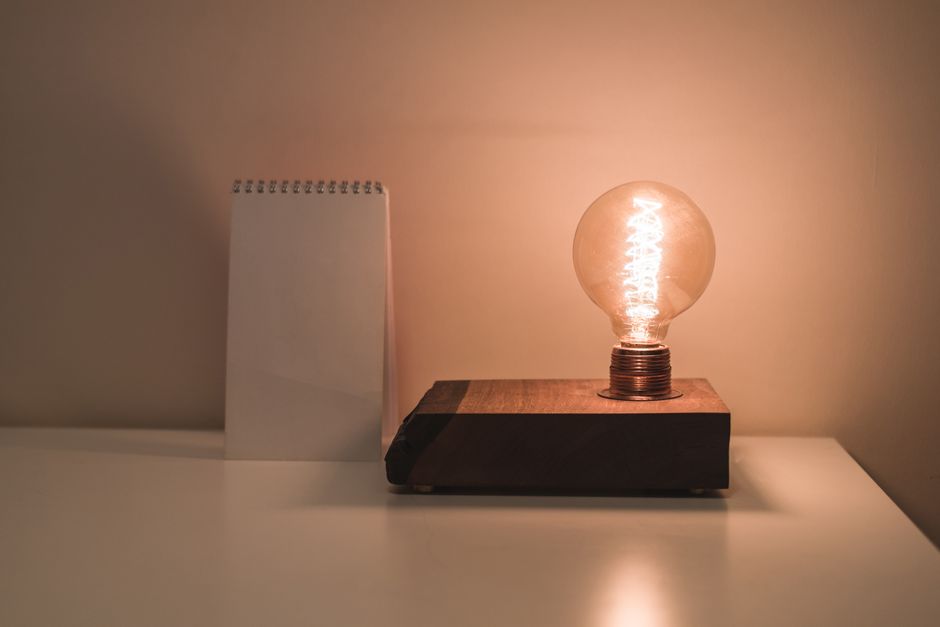
At my home desk, the lamp casts a warm glow over my sketchbook and a few scattered pens, their caps slightly askew. The quiet block of time before work feels like a perfect opportunity to dive into a short creative session. I can see my supplies, neatly zipped in a bag, just a few inches away. Yet, as I reach for my notebook, a familiar hesitation creeps in. The act of unzipping that bag and laying out my tools suddenly feels like a barrier, one that can easily derail my intention to start drawing or journaling.
Each time I miss a few days of my art practice, the friction mounts. The simple act of preparing to create becomes a mental hurdle. I know that if I leave one tool out—like my favorite pen or a blank page ready to go—I can reduce that setup drag. But instead, I often find myself staring at the bag, contemplating the effort it takes to get everything ready. This small moment of indecision can easily slip into a missed creative opportunity, leaving me wondering how such a simple task turned into a barrier to my hobby.
A Quiet Moment Before the Rush
The lamp on my desk casts a warm glow over my notebook and sketchbook, illuminating the blank pages that hold so much potential. A coffee mug, still half-full, sits within reach, a comforting reminder of this quiet moment before the day’s chaos begins. This is the time I usually reserve for journaling, a practice that helps me gather my thoughts and spark creativity.
As I glance at my supplies, I notice they remain zipped in a bag just a few inches away. The hesitation creeps in again. The simple act of unzipping that bag feels like a barrier, one that threatens to derail my intentions. I know that if I take a moment to pull out just one tool—a pen or a blank page—I can create a ready-to-start setup that encourages me to dive in. Instead, I find myself caught in a cycle of indecision, weighing the effort of preparing against the desire to create. This friction often leads to missed opportunities, as I sit there, lamp-lit and ready, but still held back by the unpreparedness of my materials.
Where the Routine Begins to Slip
The lamp casts a warm glow over my home desk, illuminating an array of simple creative materials. My sketchbook lies open, but the vibrant colored pencils and fine-tipped pens remain zipped in a bag just out of reach. This small barrier, while seemingly trivial, transforms the act of starting a drawing into an obstacle course. I glance at the clock, noting that I have only a few quiet minutes before the evening rush begins. The pressure mounts, and I can feel my enthusiasm waning as I hesitate.
In this moment, the supplies being zipped away creates a clear friction point. I know that if I take the time to unpack just one tool—perhaps a pen to start with—I can create a ready-to-start setup that invites me to begin my drawing. However, the thought of unzipping that bag feels like a daunting task. Instead of diving into my art practice, I find myself caught in a loop of indecision, weighing the effort of preparation against the fleeting time I have available. As I sit there, lamp-lit and ready, I realize that this simple missed check is often the first slip in my routine, leading me to forgo my creative session altogether.
With each passing minute, the opportunity to engage in my craft slips away. I could easily reach for the bag, unzip it, and pull out a few colors, but instead, I remain frozen. The supplies stay zipped, and my creative intentions fade into the background noise of the day. This friction not only disrupts my current session but also casts a shadow over future attempts to engage in my hobbies slowly, as the mental weight of preparation continues to loom large.
Why Does This Happen?
If this pattern keeps repeating, Creative Hobbies For Adults extends the idea without leaving the niche.
As I sit at my lamp-lit work surface, notebook open and pen at the ready, I feel the weight of the tasks ahead. The thought of diving into a quick journaling session is overshadowed by the looming responsibilities waiting for me. This preoccupation creates a mental block against the simple act of preparation, making it feel like an insurmountable chore. My supplies, neatly packed in a zipped bag, seem to taunt me with their inaccessibility.
The absence of visible reminders—like a sketchbook left open or a favorite pen placed on the desk—turns the initial setup into a barrier rather than a gateway. Instead of feeling motivated to create, I find myself hesitating, caught between good intentions and the reality of my busy day. I could easily leave out my colored pencils for a quick sketch, but that small adjustment feels like an extra step I can’t afford. The moment slips away, and I realize that this friction is often the first to derail my creative sessions, leading to a cycle of missed opportunities. Without a ready-to-start setup, my art practice fades into the background noise of my day, leaving me wondering how to reclaim those fleeting moments of creativity.
A Simple Adjustment to Ease the Flow
This same friction shows up again in Starting New Hobbies Slowly, especially when the day tightens unexpectedly.
On my cluttered desk, the soft glow from the lamp highlights a familiar sight: my sketchbook, closed and tucked away. This small act of keeping it zipped up in a bag turns a potential creative moment into a missed opportunity. I often find myself staring at the clock, knowing I have a quiet block of time before work, yet the thought of unzipping the bag feels like an unnecessary hurdle. Instead, I could leave the sketchbook open, its pages invitingly blank, ready for a quick doodle or a spontaneous drawing.
By making this simple change, I eliminate the friction that usually derails my creative sessions. The next time I sit down, the sketchbook is already there, waiting for my pen to dance across the page. This setup encourages a more spontaneous approach, allowing me to dive right in without the mental load of preparation weighing me down. I can grab my favorite pen, which I’ve placed conveniently next to the sketchbook, and start drawing without hesitation. It’s a small adjustment, but it transforms my desk into a more inviting space for creativity, making it easier to seize those fleeting moments.
What Happens Next?
With the sketchbook already open on my cluttered desk, the transition into drawing after dinner feels seamless. The lamp casts a warm glow over my workspace, illuminating the blank pages that beckon for creativity. Instead of feeling the weight of the day’s chaos, I can pick up my favorite pen, which sits ready beside the sketchbook, and start doodling without hesitation. This small setup change transforms my evening into a more fulfilling creative session.
Earlier in the day, I had been caught up in the usual rush, and the thought of unzipping the bag to fetch my supplies felt like a daunting task. Now, with everything in place, I can dive into my art practice without the mental block that often comes from having to prepare. I find that the simple act of leaving the sketchbook open allows my mind to shift gears quickly, making it easier to engage with my creative hobbies. The earlier chaos of the day fades away as I sketch, and I realize how much more productive I can be when my tools are ready to go.
This minor adjustment not only enhances my immediate creative experience but also sets a precedent for future sessions. I’m more likely to repeat this setup on busy days, knowing it leads to a more satisfying evening. As I wrap up my drawing, I can’t help but think about how this simple act of preparedness has shifted my approach to creativity, making it a more integral part of my daily routine.
As I sit at my lamp-lit work surface, I notice how leaving my sketchbook open has transformed my approach to starting new creative sessions. The supplies, once zipped away in a bag, now sit within arm's reach, ready for use. This simple act of preparation eliminates the friction that often derails my motivation on busy days. I can quickly pick up my pen and dive into journaling or sketching without the mental hurdle of unzipping and searching for materials.
This evening, as I take a moment to sip my coffee and glance at my art desk, I realize that keeping one tool out—a favorite pen—serves as a visual cue to engage with my hobbies. It becomes a reminder that creativity is just a few steps away, even on crowded days. Next time, I’ll make it a habit to leave my sketchbook open and my pen ready, ensuring I can slip into my creative practice whenever the moment arises.