Small Adjustments for Creative Sessions: Making New Hobbies Work
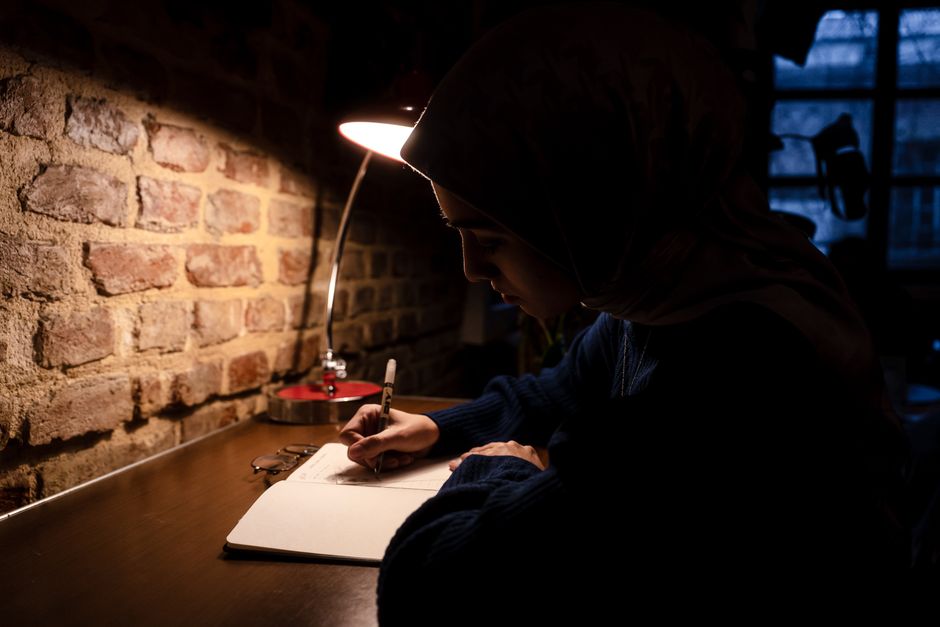
The art desk corner is cluttered with a half-finished sketchbook, a few colored pencils, and a coffee mug that’s gone cold. It’s a quiet evening, just before dinner, and the light streaming through the window highlights the untouched pages waiting for a creative session. Picking up the sketchbook feels like a chore, especially after a few missed evenings where inspiration fizzled out before it could start. The pencil needs sharpening, a small but significant barrier that often leads to abandoning the idea altogether. Instead of diving into a drawing, the moment slips away, leaving the art desk in silence.
Before starting a new hobby, it’s easy to overlook the small actions that can either facilitate or hinder the process. The missing step of checking supplies can create friction; without a sharpened pencil or a fresh page to work on, the motivation to begin dwindles. This setup can lead to a session ending without a clear restart cue, making it harder to pick up again later. A simple adjustment, like taking a moment to photograph the current state of the desk, can serve as a visual reminder of where to begin next time, bridging the gap between intention and action.
A Quiet Moment at the Art Desk
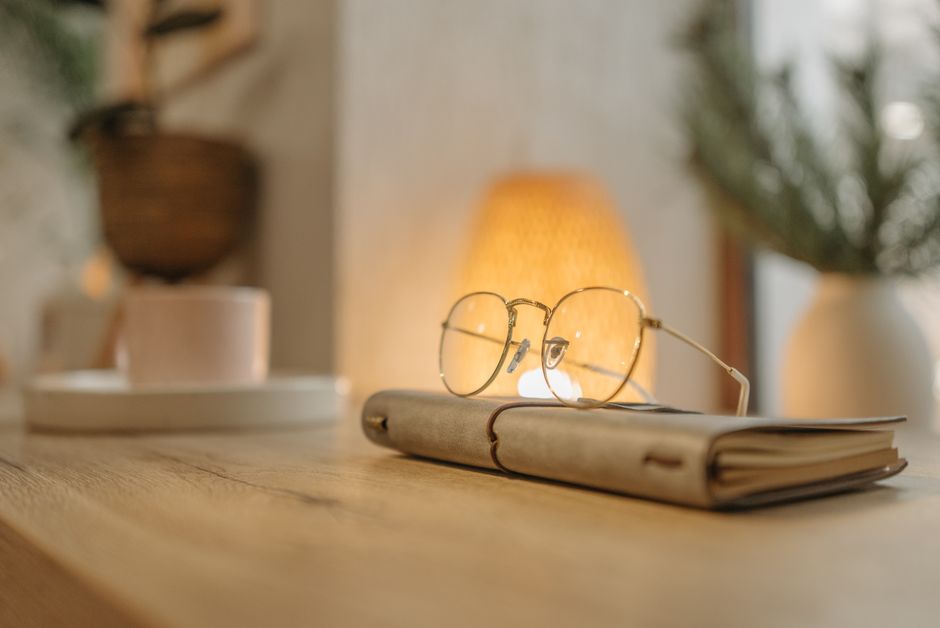
The art desk sits in a cozy corner of the room, cluttered yet inviting. A sketchbook lies open, its blank pages waiting for inspiration, while a pen rests nearby, its cap slightly askew. The soft light from the window casts gentle shadows across the surface, creating a warm atmosphere for creativity. As the clock ticks softly, a quiet block of time emerges before work or after dinner, perfect for a short creative session.
The pencil needs sharpening, a small but crucial detail that could derail the entire session. Instead of diving right into the sketchbook, the maker pauses to grab the sharpener, ensuring that the pencil is ready to go. This simple act of preparation not only removes a barrier but also sets a clear intention for the session. By taking that first step, the desk transforms from a place of potential into a workspace buzzing with possibilities, ready to bridge the gap between thought and creation.
Where the Routine Begins to Slip
If this pattern keeps repeating, Creative Hobbies For Adults extends the idea without leaving the niche.
The art desk corner feels like a sanctuary, yet the moment the maker sits down, a familiar tension creeps in. The sketchbook lies open, but the pencil is dull, requiring sharpening. This small detail, often overlooked in the excitement of starting, becomes a significant barrier. With each glance at the clock, the realization dawns that time is slipping away, and the session that promised to be productive is now at risk of fading into another missed opportunity.
Reaching for the sharpener, the maker pauses, feeling the weight of the moment. The simple act of sharpening the pencil transforms the environment; it shifts from a passive waiting space to an active preparation zone. This adjustment, though minor, is crucial. It’s not just about having a sharp pencil; it’s about signaling to oneself that the session is about to begin. However, the ticking clock serves as a reminder that each minute spent on this task is a minute lost from actual creation.
As the pencil finally glides smoothly across the page, the maker feels a flicker of enthusiasm reignite. Yet, the missed check—failing to ensure the pencil was ready beforehand—lingers in the back of the mind. The delay has cost precious time, and the session that could have blossomed into a productive evening now feels rushed. This friction highlights the need for a clearer setup routine, one that anticipates these small but impactful details before they derail the creative flow.
Understanding the Hidden Friction
This same friction shows up again in Starting New Hobbies Slowly, especially when the day tightens unexpectedly.
Even with a neatly organized art desk corner, the presence of materials alone doesn’t ensure readiness for a creative session. The sketchbook rests open beside a fresh notebook and a pen, yet the act of starting remains elusive. Without a clear plan or a simple checklist, it’s easy to find oneself staring at the blank page, wondering where to begin. The proximity of supplies can create a false sense of security, leading to the assumption that everything is set for creativity to flow. However, this isn’t the case; preparation is key.
When faced with a moment of indecision, it’s tempting to reach for the phone instead of picking up the pen. A quick scroll through social media can easily consume the time meant for drawing or journaling. This small distraction not only interrupts the creative momentum but also introduces a hidden step: the decision to engage with the phone rather than the art materials. As the minutes tick by, the initial spark of inspiration can fade, leaving behind a sense of frustration.
Good intentions alone are insufficient to bridge the gap between desire and action. The pencil, for instance, may need sharpening before it can even touch the paper, but without that small check, the session can stall before it begins. This missed step highlights a tradeoff: the time spent on preparation versus the time lost in hesitation. By recognizing these friction points, a maker can better navigate the path back to creativity, ensuring that the next session begins without unnecessary delays.
A Simple Adjustment to Ease the Start
Returning to the art desk after a few missed evenings can feel daunting, especially when the creative spark seems to flicker out. One small adjustment that can ease this friction is to sharpen the pencil and place it next to the sketchbook before ending the last creative session. This simple act not only prepares the tools for the next use but also creates a visual cue that signals readiness. When you sit down again, the pencil is already sharp, waiting to translate thoughts into drawings.
Creating a small checklist of materials the night before can further streamline the process. Consider jotting down items like "sketchbook," "pencil," and "coffee mug" on a sticky note and placing it on the art desk. This way, when you wake up or finish dinner, you can quickly gather everything without hesitation. The act of checking off items can also provide a sense of accomplishment, reinforcing the habit of returning to your creative practice. If the pencil is already sharpened and the materials are laid out, starting a short creative session feels less like a chore and more like an invitation.
Checkpoint: The Supply Cue
As you sit at your art desk, the remnants of your last creative session linger—a half-finished drawing, a sketchbook open to a blank page, and a pencil that desperately needs sharpening. Before you leave the space for the evening, take a moment to place a sticky note on the corner of your desk. Write down a simple reminder: "Check supplies before starting." This small note will serve as a prompt to assess what you need for your next session, reducing the friction that often halts your creative flow.
Next, consider snapping a quick photo of your last completed piece and placing it in front of your workspace. This visual cue not only inspires you to continue but also reminds you of the progress you've made. When you return to your desk, the sight of that finished work can reignite your motivation. Each time you sit down, the sticky note and photo work together, creating a seamless transition into your creative practice.
Before leaving, check that your pencil is sharpened and your sketchbook is easily accessible. This way, when you come back, you can dive right into your drawing without the distraction of needing to prepare your materials. A small checklist can also help: ensure your coffee mug is filled, your notebook is nearby, and your favorite pen is ready. These simple adjustments make starting a new creative session feel less daunting and more inviting.
What Gets Easier in the Next Time Block
Returning to your art desk after a few missed evenings can feel daunting, but a few simple adjustments can ease that transition. When you sit down, the first thing to do is check that your sketchbook is open to a fresh page. This small act signals your brain that it’s time to create. If you’ve left your pencil unsharpened, take a moment to sharpen it right away. This ensures you won’t waste precious time when inspiration strikes.
Before you dive into your journaling or drawing, consider placing a small sticky note on your desk with a simple prompt or idea. This visual cue can act as a gentle nudge, helping you shift into a creative mindset without the friction of deciding what to do. As you sip your coffee, glance at that note, and let it guide your thoughts. You might find that this simple act of preparation makes it easier to start the next creative session, even if you’ve just finished one.
When you finish your current creative block, take a moment to photograph your work. This not only captures your progress but also serves as a reminder of what you’ve accomplished. Place that photo where you can see it next time you sit down, creating a connection between your past and future sessions. With the right setup, your next time block can feel less like a chore and more like a natural continuation of your creative journey.
As you wrap up your creative session at your art desk, take a moment to notice the state of your supplies. If your pencil needs sharpening, do it now rather than waiting until next time. This small action can significantly reduce friction when you sit down again. The next time you approach your desk, you’ll be greeted by a ready-to-use pencil, making it easier to dive right back into your drawing or journaling.
Before you leave your workspace, photograph your current project. This snapshot not only documents your progress but also serves as a visual reminder of what you’ve achieved. Place it somewhere visible, like on your desk or in your sketchbook. This simple act connects your past efforts to future sessions, easing the transition back into your creative practice. Next time you sit down, let that photo spark inspiration, and you’ll find starting feels less daunting.