Navigating Creative Sessions: Why Good Intentions Often Fail
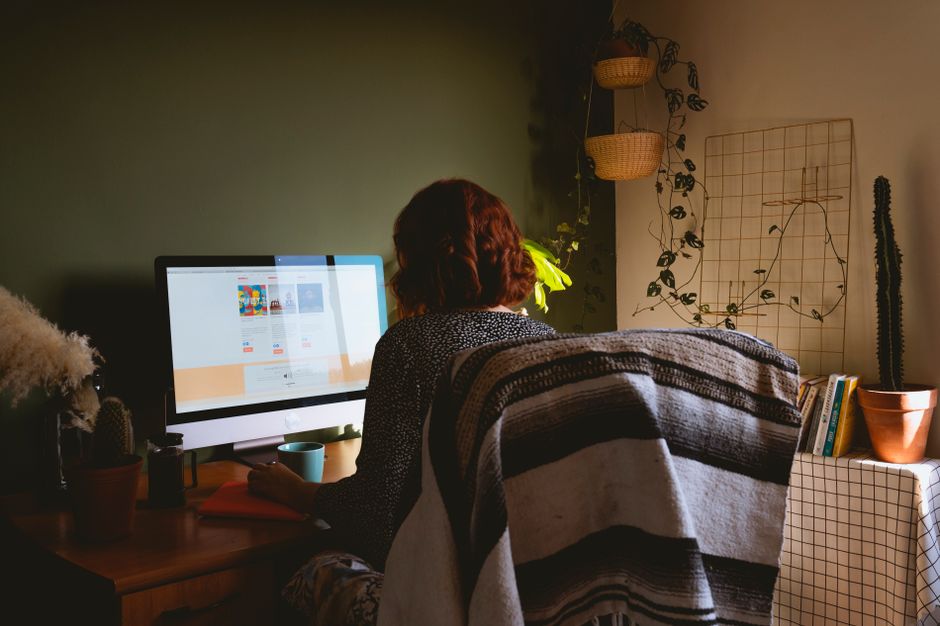
As the lamp casts a warm glow over my home desk, I reach for my sketchbook and a pen, ready to dive into a short creative session. The quiet block of time after dinner feels perfect for drawing, yet I find myself hesitating. My supplies are zipped away in a bag, and the thought of unpacking them feels like an obstacle. Instead of sketching, I glance at my coffee mug, wondering if I should just make another cup instead. This moment of indecision often leads to an unfinished session, where good intentions fade into the background.
The friction lies in the setup; I know that leaving my tools out could spark a more consistent practice. If I had just placed my sketchbook and pen within easy reach, I could have seamlessly transitioned from dinner to drawing. Instead, the supplies remain tucked away, and the session ends without a restart cue. This small but crucial missed step transforms a potential moment of creativity into another evening of inaction, illustrating how easily enthusiasm can slip away when faced with unnecessary barriers.
The Routine That Should Work
At my home desk, the soft glow of the lamp casts a warm light on my neatly arranged creative materials. A sketchbook lies open next to a pen, and my favorite coffee mug sits within arm's reach. This setup feels inviting, especially during the quiet block of time I’ve carved out before work or after dinner. Yet, despite this ideal scene, I often find myself hesitating to dive into a creative session.
The intention is clear: I want to engage in a short, focused drawing session. However, the reality often falls short when I realize my supplies are zipped away in a bag. This small detail creates a friction point; the moment I have to reach for the bag, the motivation to start dwindles. Instead of picking up the pen and sketching, I might end up scrolling through my phone or contemplating another cup of coffee, losing precious minutes that could have been spent creating.
To counteract this, I’ve started leaving one tool out—my favorite pen—on the desk as a visual cue. When I see it, I’m reminded of the creative session waiting for me. This simple adjustment encourages me to pick up the pen and begin, transforming a potential moment of inaction into a burst of creativity. The key here is to ensure my materials are ready to go, allowing for a seamless transition into my art practice without unnecessary setup drag.
Where the First Break Occurs
A slightly different version of this problem appears in Creative Hobbies For Adults, where the sequence changes but the hidden drag feels familiar.
As I settle at my lamp-lit desk, the excitement of starting a new drawing session is palpable. I have my sketchbook open, and the coffee mug is steaming beside me. However, that initial thrill quickly fades when I realize my favorite colored pencils are still zipped away in a bag across the room. This moment marks the first break in my routine; the anticipation of creativity is overshadowed by the need to get up and retrieve my supplies.
The shift from eagerness to frustration happens almost instantly. Once I stand up, I glance at my phone, tempted to check notifications instead of grabbing the pencils. The session ends without a restart cue, and I find myself sitting back down, feeling defeated. The excitement is replaced by a sense of overwhelm, as I realize that the simple act of setting up has derailed my momentum. Leaving my colored pencils out on the desk could serve as a visual reminder, prompting me to dive right into my drawing instead of losing focus.
To combat this, I’ve started placing my favorite pen on the desk as a cue for creativity. When I see it, I’m reminded that I can easily start with a quick sketch, even if my colored pencils aren’t immediately accessible. This small adjustment helps maintain a connection to my art practice, ensuring I don’t drift away during those quiet moments before work or after dinner. The key is to create a space where the tools are ready and waiting, minimizing the friction that can disrupt the flow of creativity.
Why This Failure Repeats
If this pattern keeps repeating, Starting New Hobbies Slowly extends the idea without leaving the niche.
Creative sessions often stall due to overlooked friction points that can easily be addressed. One common issue is that supplies, like colored pencils or sketchbooks, often remain zipped in bags, making them less accessible for spontaneous creativity. This setup creates a barrier that can derail the flow of inspiration, especially during those quiet moments before work or after dinner.
- Having your art supplies tucked away means you’re less likely to jump into a quick drawing session when the mood strikes.
- Distractions, such as notifications from your phone, can shift your mindset from productive to passive, causing you to lose the creative spark.
- The quest for a perfect setup often leads to procrastination; the longer you wait for everything to be just right, the less likely you are to start at all.
To counter these pitfalls, consider leaving one tool out on your desk, like a favorite pen or an open sketchbook. This small visual cue can prompt you to begin a quick sketch, even if your full setup isn’t ready. By minimizing the barriers to starting, you maintain a better connection to your creative practice, preventing distractions and the pressure of perfection from taking over.
A Simple Correction to Try
Leaving one essential tool out on your art desk can significantly reduce setup friction. For instance, if you keep your favorite sketchbook open beside your coffee mug, it serves as a constant visual reminder to engage with your creative practice. When you finish a session, instead of tucking everything away, simply place the sketchbook where it’s easily visible. This small adjustment makes it easier to dive back into drawing during those quiet moments before work or after dinner.
Establishing a clear end signal for each creative session can also prompt a restart next time. If you finish a drawing, take a moment to write down a quick note in your notebook about what you want to explore next. This not only helps you remember your thoughts but also creates a natural cue to pick up where you left off. By minimizing the barriers to starting and ensuring your workspace remains inviting, you can foster a more consistent art practice, making it less likely for the supplies to stay zipped in a bag, forgotten until the next inspiration strikes.
A Quick Checkpoint to Maintain Focus
Before you wrap up a creative session, take a moment to jot down a few notes in your sketchbook. This could be a quick list of what worked well during your drawing or a couple of ideas for your next project. Keeping a dedicated space for these notes on your art desk makes it easy to refer back to them later, ensuring you don’t lose those fleeting thoughts.
Clutter can easily derail your focus, so keep your workspace tidy. After each session, clear away any unnecessary items, leaving only your essential tools—like your sketchbook, a pen, and perhaps a favorite coffee mug. This not only creates a welcoming environment for your next session but also reduces the friction of starting again. If you can see your materials ready to go, you’re more likely to dive back into your art practice.
Set a reminder on your phone for your next creative session, whether it’s a quiet block before work or after dinner. This small nudge can help maintain your momentum and create a routine that feels natural. By establishing these checkpoints, you create a seamless transition between sessions, making it less likely for your supplies to remain zipped in a bag, waiting for inspiration to strike.
What Changes Once That Fix Repeats
Leaving your sketchbook open on your art desk can transform how you approach your next creative session. Instead of rummaging through a zipped bag for your supplies, you can simply lift the sketchbook and start drawing. This small shift means less time spent on setup and more time for creativity, especially during those quiet moments before work or after dinner.
When you make this adjustment, the next time block feels different. You might find yourself reaching for the pen that’s already resting beside the sketchbook, ready to capture ideas as they come. This eliminates the friction that often leads to abandoning the session altogether. The act of having everything visible and accessible creates a gentle nudge, encouraging you to pick up where you left off without hesitation.
Consider setting a reminder on your phone to check in with your art practice. When that alert goes off, you’ll see your sketchbook waiting, and the decision to dive back in becomes effortless. By establishing this ready-to-start setup, you reduce the likelihood of your supplies gathering dust, making it easier to maintain a consistent creative habit.
As you navigate your creative sessions, consider how often your supplies remain zipped away in a bag. This simple oversight can lead to missed opportunities for spontaneous drawing or journaling. Instead, leave your sketchbook open on your art desk, alongside a pen that’s ready to go. This visible setup serves as a gentle reminder, inviting you to engage with your creative practice instead of letting it slip away.
Next time you find a quiet moment before work or after dinner, take a moment to glance at your art desk. If it’s set up for action, you’re more likely to dive right in. Making this small adjustment can transform your approach to starting new hobbies slowly, ensuring that good intentions don’t fade into forgotten plans.


