Why Your Sketchbook Sessions Stall Before They Start

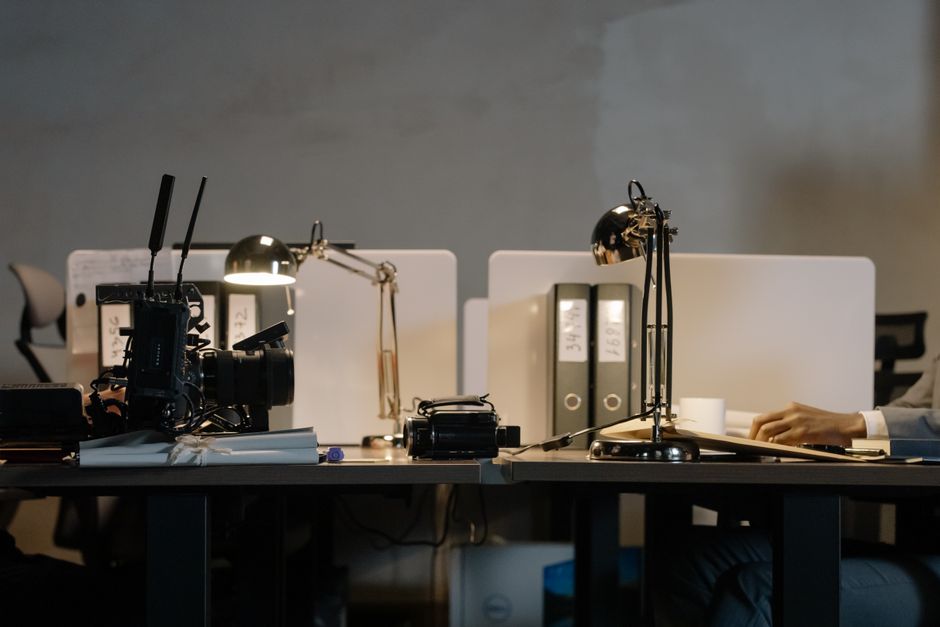
As the soft glow of the desk lamp illuminates the cluttered surface, the familiar sight of a sketchbook and a well-loved pen beckons. It’s a quiet block of time after dinner, perfect for diving back into a creative session. Yet, despite the inviting setup, the thought of starting feels daunting. The next page in the sketchbook remains blank, and the urge to create fades as quickly as it arrived. Without a clear starting point, the session ends before it truly begins, leaving behind a lingering sense of missed opportunity.
This friction often stems from a simple oversight: not choosing a specific page to begin with. Instead of flipping through the sketchbook aimlessly, taking a moment to photograph the current state of the desk can serve as a visual cue, reminding the maker of the tools at hand. By anchoring the session with this small action, the transition into creativity becomes smoother, setting the stage for a more fulfilling experience. A minor adjustment like this can transform hesitation into action, making it easier to embrace the joy of sketching once again.
The Routine That Should Work
At the lamp-lit desk, the scene is set for creativity. The sketchbook lies open, a pen rests beside it, and a steaming coffee mug sits within reach. This should be the perfect setup for a quick drawing session. However, as the maker settles into the chair, a familiar hesitation creeps in. The blank page stares back, and the first line feels like a mountain to climb. Without a clear plan, the session risks ending before it even starts.
Typically, the routine would begin with gathering materials: the sketchbook, a favorite pen, and perhaps a few colored pencils for added flair. The maker would sit down, take a sip of coffee, and flip through the first few pages of the sketchbook, searching for inspiration. Yet, this often leads to a frustrating cycle of indecision. The next page is not chosen, and the moment slips away. Instead of letting this happen, a small adjustment can make a significant difference. Before diving into the sketchbook, taking a moment to photograph the current state of the desk serves as a visual cue. This simple action not only captures the inviting setup but also reinforces the intention to create.
With the photo taken, the maker can now focus on the task at hand. The first step becomes clearer: choose a page to start drawing. This decision, though minor, transforms the approach to the session. The act of selecting a page shifts the mindset from hesitation to action, paving the way for a more productive creative session. The lamp casts a warm glow over the desk, and with the right cues in place, the maker can finally embrace the joy of sketching once again.
Where It Breaks Down First
As the evening light fades and the lamp casts a warm glow over the art desk, the anticipation of starting a new sketchbook session can quickly turn into a moment of paralysis. The blank page lies before you, a stark reminder of the creative potential yet to be unlocked, but also a source of overwhelming pressure. The decision of what to draw becomes a daunting task, and the longer you stare, the more the ideas seem to slip away. This is often where the creative flow begins to stall.
In this moment of hesitation, the absence of a clear starting point becomes painfully evident. You might find yourself rifling through your sketchbook, flipping past pages filled with half-finished ideas, only to realize that you haven’t even chosen the next page to work on. This small oversight can snowball into a larger delay, as the blankness of the new page stares back, amplifying the uncertainty. Without a visible cue to guide you, the session can easily drift into indecision, and before you know it, the quiet block of time you set aside for creativity slips away.
One practical adjustment to counteract this friction is to establish a visible prompt before starting. Instead of diving straight into the sketchbook, take a moment to set a specific intention. Place a favorite pen next to the sketchbook, or even write down a few potential ideas on a sticky note and stick it to the lamp. This simple act not only provides a tangible cue but also shifts the focus from the overwhelming choice of what to draw to a more manageable task. By creating a small, visible anchor, you can reduce the friction that leads to hesitation and instead foster a smoother transition into your creative session.
A Simple Adjustment That Makes a Difference
A slightly different version of this problem appears in Creative Hobbies For Adults, where the sequence changes but the hidden drag feels familiar.
As the evening light spills across your art desk, you sit down with a coffee mug in hand, ready to dive into your sketchbook. Yet, the blank page looms, and you find yourself hesitating. The moment feels heavy with unmade decisions, and before you know it, the quiet block of time you carved out for creativity begins to slip away. Without a clear starting point, it’s easy to drift into indecision, which can quickly derail your intention to create.
A practical adjustment to counter this friction is to photograph the current state of your sketchbook. This simple act not only captures your last drawing but also serves as a visual cue for where to begin. After snapping the picture, flip to a random page instead of overthinking your choice. By allowing fate to guide you, you eliminate the mental burden of selecting a subject. The act of opening to a new page feels refreshing and liberating, setting the tone for a more fluid creative session.
To further streamline this process, place your favorite pen directly next to the sketchbook after taking the photo. This small correction acts as a physical prompt, inviting you to start drawing without the weight of choice. With your tools arranged and a page ready to greet you, the transition into creativity becomes smoother, allowing you to reclaim those precious moments for your art practice.
Easier Transitions to Creativity
If this pattern keeps repeating, Simple Art Projects extends the idea without leaving the niche.
On your art desk, a sketchbook lies open, its pages waiting for new ideas. The lamp casts a warm glow, illuminating the scattered pens and a half-finished coffee mug. This familiar setup can become a friction point, especially after a few missed evenings of creativity. When you sit down, the pressure to choose the next page can feel daunting, often leading to hesitation and inaction.
By photographing your last drawing, you create a visual anchor that simplifies your next creative session. The snapshot not only preserves your progress but also serves as a prompt to dive back in. Instead of flipping through the sketchbook searching for inspiration, you can immediately open to a random page, letting spontaneity guide your next move. This small adjustment shifts your mindset, transforming the act of starting into a playful exploration rather than a chore.
When you place your favorite pen next to the sketchbook after taking the photo, it acts as a tangible cue to begin. The next time you sit down, the page is already waiting, and the pen is ready to glide across the paper. This setup means you can jump straight into creativity without the usual setup friction, making it easier to reclaim those quiet moments before work or after dinner. As a result, creativity flows more freely, and the hesitation that once stalled your sessions diminishes, allowing you to enjoy the process of drawing once again.
As you settle back into your creative routine, remember that the simple act of photographing your current sketchbook state can serve as a powerful reminder of where to begin. This small action not only preserves your progress but also visually cues you to dive back into your art practice. Each time you glance at that photo, it sparks the memory of your last session, making it easier to pick up where you left off.
Next time you finish a drawing, take a moment to place your favorite pen beside the sketchbook. This tangible cue will signal your brain that it’s time to create again. When you return to your art desk, the page is already chosen, and the pen is ready, allowing you to transition smoothly into your next creative session without the usual friction. This minor adjustment can transform your approach to starting new hobbies slowly, making the process feel more inviting and less daunting.