Why Good Intentions Around Starting a Sketchbook Often Fail
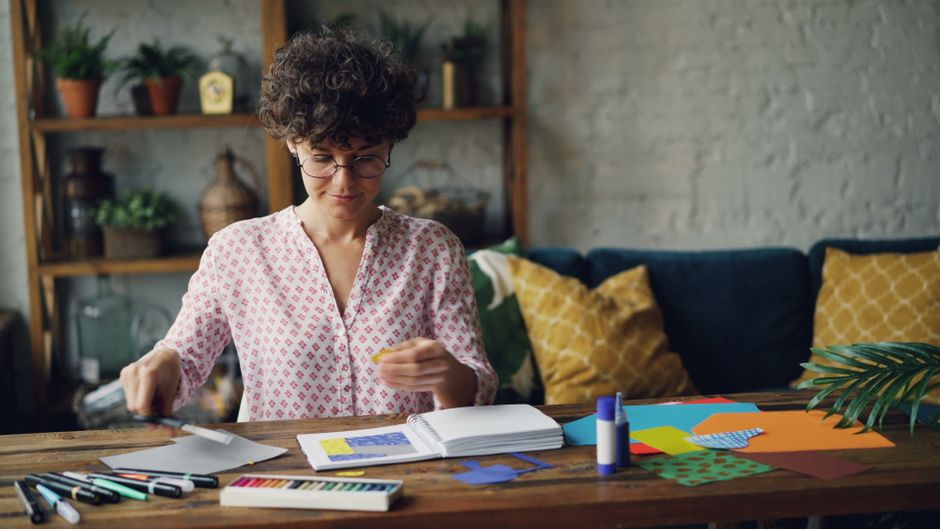
At the home desk, the soft glow of the lamp casts a warm light over a simple setup: a sketchbook lies open next to a pen, and a half-empty coffee mug sits nearby. The quiet moment before work is the perfect time to dive into a short creative session. Yet, as the maker reaches for the sketchbook, the next page remains untouched, a missed opportunity that often leads to frustration. Without a clear restart cue, the session can easily fizzle out, leaving the sketchbook feeling like a collection of blank pages rather than a canvas for ideas.
Choosing the next page is a crucial step that often gets overlooked. This small action can set the tone for the entire session, but it requires a moment of intention. If the maker skips this, they might find themselves staring at the same blank page, unsure of where to begin. By recognizing this friction point, it becomes clear that establishing a routine around these small yet significant details can help maintain a consistent art practice. The art desk, with its visible supplies, can serve as a reminder of the creative journey waiting to unfold, if only the right steps are taken to start.
The Routine That Should Work
The home desk, bathed in the warm glow of a lamp, is a welcoming sight. A sketchbook lies open, a pen rests beside it, and a half-full coffee mug adds a touch of comfort. As the clock ticks softly in the background, a quiet moment before work or after dinner presents itself, ideal for a short creative session. Yet, the maker hesitates, glancing at the untouched next page of the sketchbook, a detail that can derail the entire flow.
To kick off the session smoothly, the first step is to choose that next page deliberately. This action is often overlooked but is essential for setting the tone. Flipping to a fresh page signals the brain that it’s time to create. Once selected, the maker can take a deep breath and let the pen glide across the paper, whether it's for a quick doodle or a few lines of journaling. However, if this small but vital choice is skipped, the sketchbook remains a collection of blank pages, and the creative momentum fades. A visible cue, like a sticky note on the desk reminding to 'choose the next page', can serve as a gentle nudge to prevent this common pitfall, ensuring that each session begins with intention and clarity.
Where It Breaks First
As the evening light filters through the window, the art desk is cluttered with a coffee mug, a few colored pencils, and a sketchbook that remains closed. The first sign of drift occurs when the sketchbook is out of sight, tucked away in a drawer or on a shelf. This simple act of closing it makes it too easy to skip the creative session altogether. When the materials are not visible, the energy required to retrieve them can feel overwhelming, leading to procrastination.
Before diving into a sketchbook session, take a moment to set up the workspace. Place the sketchbook prominently on the desk, open to the next blank page. This small adjustment can signal a shift in mindset, making the transition from daily tasks to creative habits smoother. If the sketchbook remains closed, the maker might glance at it only to feel a pang of guilt for not using it, which can further inhibit motivation. To counter this, consider leaving a visible cue, like a brightly colored sticky note on the desk that reads, 'Open your sketchbook!' This reminder can serve as a gentle nudge, encouraging the maker to engage with their creative practice rather than allowing it to drift into the background.
Why This Failure Repeats
A slightly different version of this problem appears in Creative Hobbies For Adults, where the sequence changes but the hidden drag feels familiar.
On a quiet evening at home, the art desk is bathed in the warm glow of a lamp, yet the sketchbook lies closed, untouched. The anticipation of needing to choose a new page can feel daunting, especially after a few missed evenings. This pressure often leads to a mental block that halts creativity before it even begins. The maker might glance at the sketchbook, but that simple act can trigger a wave of guilt for not having sketched in a while, which only deepens the reluctance to start.
Previous sessions may have ended abruptly, leaving the next page unchosen and the momentum lost. This hidden cause—an unfinished thought or idea—can linger in the back of the mind, creating a barrier to re-engagement. To counter this, placing the sketchbook open on the desk, ready for use, serves as a visual cue to break this cycle. Adding a small, simple action like photographing the current state of the workspace can also help; it captures the moment and invites a sense of continuity. The tradeoff here is clear: without these small adjustments, the creative session may end without a restart cue, leaving the maker feeling stuck in a loop of unfulfilled intentions. A Simple Correction to Try Keeping the sketchbook open on your desk can make a significant difference in re-engaging with your creative practice. When you sit down for a short session, ensure the sketchbook is visible, with the next blank page ready to be filled. This simple act eliminates the friction of having to choose a page, which can often lead to hesitation and procrastination.
- Keep the sketchbook open to a blank page at the start of your session.
- Set a timer for just five minutes to lower the pressure of starting.
- Take a moment to photograph your workspace as it is, capturing the setup and inviting a sense of continuity.
By implementing these adjustments, you create a more inviting atmosphere for creativity. When the timer goes off, you can decide whether to continue or take a break, but the initial pressure is lifted. This small routine can help ensure that the session doesn’t end without a clear restart cue, allowing for a smoother transition into your next creative block.
One Checkpoint to Prevent Drift
If this pattern keeps repeating, Simple Art Projects extends the idea without leaving the niche.
At the end of your sketchbook session, take a moment to photograph the current page. This simple act not only documents your progress but also serves as a visual reminder of where you left off. The photo captures the energy of your work, and when you look back at it, you can reignite that spark the next time you sit down at your art desk.
Before closing your sketchbook, make sure to leave a note on the next blank page. This note should indicate what you plan to tackle in your next session, whether it’s a specific drawing or a new technique to explore. By placing a small sticky note or writing directly in the sketchbook, you create a clear starting point for your next creative block. Keep your favorite pen nearby as a visible cue, ensuring it’s ready to go when you return. This way, you minimize the risk of drifting away from your routine, allowing for a smoother transition back into your art practice.
The Easier Path After a Correction
Returning to your art desk after a few missed evenings can feel daunting, but a simple visible cue can make all the difference. Place your favorite pen next to your sketchbook, ensuring it’s the first thing you see when you sit down. This small action transforms the space into an inviting setup, reducing the intimidation of starting a new session.
Documenting your progress with a quick photograph before closing your sketchbook creates a tangible reminder of your journey. When you look back at the images, they serve as a motivational spark, reigniting your enthusiasm for the next creative block. This practice not only tracks your development but also establishes a clear point of reference, making it easier to jump back into your art practice. The next time you sit down, you can simply open to the last page you worked on and see where you left off.
As you prepare for your next session, jot down a quick note on the next blank page. This could be a simple line about what you want to explore, like a new drawing technique or a specific subject. By doing this, you set a clear intention for your next creative block, reducing the chance of drifting aimlessly. Each time you maintain this routine, the process becomes smoother, and your creative momentum feels more achievable.
As you wrap up your sketchbook session, take a moment to ensure that your workspace is ready for the next time you sit down. If your art desk is cluttered with supplies, spend a few minutes organizing your pens and sketchbooks. A simple act like placing your favorite pen next to the sketchbook can serve as a visual cue, prompting you to pick up where you left off. Without this small check, you risk losing the thread of your creative practice, making it harder to dive back into your art.
Before you close your sketchbook, consider taking a quick photograph of the last page you worked on. This snapshot not only captures your progress but also acts as a reminder of your journey. When you look at that image later, it can inspire you to continue your exploration. This simple routine helps maintain the momentum of your creative habits, ensuring that each session builds on the last.


