When the Sketchbook Stays Closed: A Small Change to Start Again
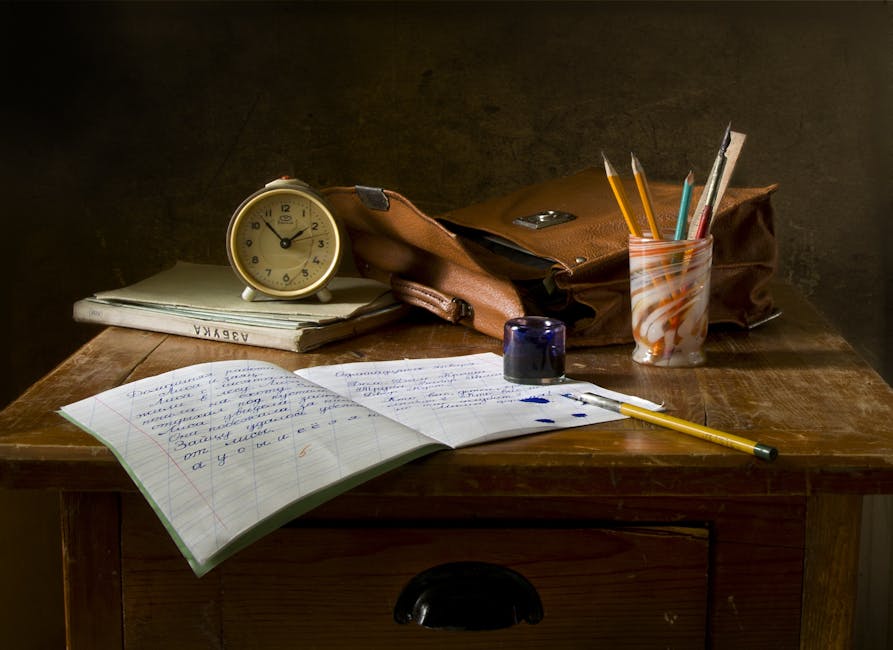
As the lamp casts a warm glow over the cluttered surface of my art desk, I sit down with my sketchbook and a pen, ready to dive into a short creative session. The quiet block of time before work feels like the perfect opportunity to reignite my drawing practice. I take a sip of coffee, but as I flip to the next blank page, I realize I haven’t chosen a specific theme or subject to focus on. The blankness looms large, and instead of sketching, I find myself staring at the page, feeling the weight of indecision.
This moment of hesitation highlights a common friction point: without a clear direction, it’s easy to lose momentum. I remember that a simple check of my nearby supplies could help spark an idea. Perhaps I should have laid out a few reference images or even a color palette before starting. Instead, I’m left with the uninviting blankness of the page, and the session ends without a restart cue. This cycle of starting and stopping can make engaging with new hobbies feel daunting, but identifying these friction points can lead to small adjustments that make the next attempt smoother.
The Routine That Should Work
The soft glow of a lamp casts a warm light over my art desk, illuminating the sketchbook, pen, and a half-finished coffee mug. This quiet moment, just before diving into work, feels like the perfect opportunity to engage my creativity. I set my intention to start a short drawing session; however, as I sit down, I realize I haven’t laid out any supplies or reference images. The blank page in front of me feels intimidating, and I find myself hesitating instead of drawing. This friction point of indecision often leads to a session ending prematurely.
To ease into the creative flow, I remind myself to check for a visible supply cue. I reach for my sketchbook and flip through the pages, looking for inspiration from past sketches. This simple act of reviewing my previous work can often spark new ideas. Instead of diving straight into a blank page, I could have placed a few reference images nearby beforehand. This small adjustment could create a clearer direction and help avoid the all-too-common scenario of ending a session without a restart cue. The sequence of actions matters: choosing a theme, gathering materials, and then sitting down to draw can transform the experience from daunting to inviting.
Where the Process Breaks Down
As I settle at my lamp-lit work surface, the familiar sight of my art desk greets me, but the materials are still scattered from my last session. My sketchbook lies open, but the next page isn’t chosen, and I realize I’m stuck. The hesitation to start often stems from not having everything prepped for immediate use. My pen sits next to a half-drunk coffee mug, but the absence of a clear focus or reference image makes it hard to dive in.
When I finally decide to pick up my sketchbook, I find myself flipping through past pages in search of inspiration. This simple act can sometimes reignite my creativity, but it also highlights a missed opportunity: I could have placed a few reference images or prompts nearby before I sat down. Without these cues, I risk ending the session without any real engagement, leaving the blank page untouched and my creative energy stifled.
To prevent this drift, I could establish a small routine: before each session, I’ll take a moment to gather a few supplies and set them within reach. A visible supply cue, like a favorite colored pencil or a small collage of images, can serve as a reminder of what I want to create. This adjustment could shift my mindset from one of hesitation to one of anticipation, making it easier to transition into a productive creative session.
Why This Friction Repeats
A slightly different version of this problem appears in Creative Hobbies For Adults, where the sequence changes but the hidden drag feels familiar.
On a quiet evening, I settle at my lamp-lit work surface, ready to dive into my sketchbook. However, I realize I forgot to prepare the next page the night before. This oversight, seemingly small, creates a barrier that makes starting feel daunting. Instead of flipping to a fresh page and letting my ideas flow, I find myself staring at the empty space, feeling the weight of indecision. The absence of a chosen page serves as a silent reminder of my unpreparedness, leading to disengagement before I even begin.
As I sit there, notifications from my phone buzz nearby, pulling my attention away from the creative session I intended to start. The clutter on my desk, a mix of old sketches and coffee mugs, further distracts me, making it hard to focus. This hidden cause of distraction compounds the initial friction of not having my materials ready. To counter this, I could implement a simple routine: before wrapping up for the evening, I’ll take a moment to select a page and place my favorite drawing pen on top of the sketchbook. This small action not only signals readiness for the next session but also minimizes the clutter, creating a more inviting space for creativity. Yet, even with this adjustment, the tradeoff remains—my evenings can quickly fill with other tasks, making it easy to overlook this preparation step. Without it, I risk repeating the cycle of missed opportunities to engage with my art practice. A Quick Fix for Immediate Readiness Stepping into a creative session can feel daunting, especially after a few missed evenings. A simple yet effective way to ease into a sketchbook session is to establish a visible cue that sparks inspiration. For instance, take a photo of the last completed page and place it next to your art desk. This serves as a reminder of your progress and what comes next, reducing the mental block of where to start.
- Prepare your sketchbook by choosing the next blank page and placing it open on your desk.
- Set your favorite drawing pen on top of the sketchbook, making it the first thing you see when you sit down.
- Capture a quick photo of your last drawing and prop it up nearby to motivate your next creative move.
By implementing these small corrections the night before, you eliminate friction in the morning. When you sit down at your lamp-lit work surface, the setup invites you to dive right into your art practice instead of wasting time figuring out where to begin. This simple preparation transforms your desk into a welcoming space for creativity, making it easier to engage with your hobby consistently.
What to Check Before You Sit Down
If this pattern keeps repeating, Simple Art Projects extends the idea without leaving the niche.
Before diving into your sketchbook, take a moment to ensure it’s open to the next blank page. This small act eliminates the hesitation that can creep in when faced with a fresh start. If the last page remains closed, the mental barrier of choosing where to begin can stall your creative flow. Place your favorite pen on top of the sketchbook, making it a visible cue that beckons you to start drawing.
Clear your workspace of distractions, especially your phone. A quick glance at notifications can derail your focus before you even begin. When you sit at your lamp-lit work surface, the absence of clutter and the presence of your open sketchbook create an inviting atmosphere for creativity. This setup not only streamlines your transition into a creative session but also reinforces the habit of engaging with your art practice consistently, even after a few missed evenings. By confirming these details, you set the stage for a smoother, more productive experience.
Easier Entry After Small Adjustments
The moment you sit down at your art desk, you notice the inviting sight of your open sketchbook, a pen resting on top. This simple setup makes starting your drawing session feel almost effortless, especially after a few evenings away from your creative practice. The lamp casts a warm glow over your workspace, illuminating the blank page that awaits your ideas.
With your materials already in place, you can dive right into your creative session without the usual setup friction. Instead of rummaging through drawers for a pen or deciding what to draw, you can immediately focus on the act of creation. The visible cue of your pen signals readiness, reducing the likelihood of skipping this session. You can even take a moment to photograph your workspace, capturing the current state of your art desk, which serves as a reminder for next time.
In the next time block, this small adjustment creates a noticeable difference. You find yourself more inclined to sketch, as the blank page no longer feels daunting. The absence of clutter and the presence of your chosen materials foster a smoother transition into creativity, allowing you to maintain momentum. By establishing this routine, you set the stage for a productive session, making it easier to return to your art practice even after a break.
As you prepare for your next sketchbook session, consider the simple act of placing your favorite pen beside your open sketchbook. This small but intentional move creates a visual cue that invites you to start drawing. When you see that pen, it signals readiness and reduces the friction that often prevents you from picking up your tools after a break.
Next time you sit at your lamp-lit work surface, take a moment to photograph your setup. Capturing the current state of your art desk can serve as a motivational reminder of your creative space. This visual reference not only helps you recall what materials you enjoy using but also makes it easier to jump back into your creative routine. By integrating these small adjustments, you can make starting new hobbies feel less daunting, transforming your creative habits into a more enjoyable experience.


